About Dog Training in Southwark
Southwark is one of inner south London's most densely populated and rapidly changing boroughs, where nearly 70% of households rent rather than own, and the housing stock is dominated by flats, maisonettes and mixed-tenure estates rather than family houses with gardens. That profile shapes dog ownership here in very practical ways: most dogs in Southwark live without private outdoor space, navigate shared hallways and busy pavements every day, and rely on the borough's parks for all their meaningful exercise and socialisation. The borough also has a high proportion of younger adults and solo residents, which translates into a consistent stream of first-time owners managing dogs around long working days, hybrid schedules and the particular demands of flat-based urban life. Southwark's parks are genuinely good, from the broad open common at Peckham Rye to the spacious fields of Burgess Park, but making the most of them requires dogs that are reliable enough off-lead to use them safely and calm enough on-lead to get there without incident.
Common Behaviour Challenges
The training requests that come up most consistently in Southwark reflect the pressures of high-density urban living with limited private space. Puppy socialisation is a frequent starting point, particularly for owners in flatter, denser wards who are managing a new dog without a garden to fall back on. Recall in busy parks is a persistent focus: Peckham Rye Park and Burgess Park attract significant numbers of joggers, cyclists, picnickers and other dogs, making reliable off-lead behaviour genuinely difficult to maintain without structured work. Lead reactivity on high streets and busy pavements is among the most commonly cited concerns, and separation anxiety is a recurring theme for commuter and hybrid-working households where dogs spend variable amounts of time alone in flats. Southwark's own dog-control records point to a continuing need for impulse control and reliable recall, with documented incidents of dogs entering excluded areas and failing to respond when asked to come back to their owner. Adolescent behaviour and lead manners rather than basic obedience tend to be the dominant requests from more experienced owners across the borough.
Popular Training Locations
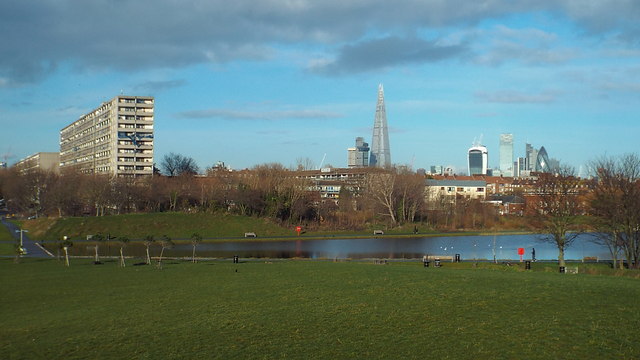
Peckham Rye Park and Common is one of the most versatile training venues in the borough, combining broad open common land with wooded areas, a duck pond and cafe stops that allow sessions to move fluidly between low-distraction recall work and real-world socialisation in a single outing. The variety of terrain and consistent visitor numbers make it useful for dogs at multiple stages of training. Burgess Park offers some of the most open space in Southwark, with large fields and multiple paths that suit distance recall work and confidence-building around the joggers, cyclists and sports users who use the park throughout the week. Dulwich Park provides a strong venue for loose-lead practice and intermediate recall along its perimeter dog-walk route, with lead-control expectations in the central area that help reinforce good manners in a clearly structured environment. Southwark Park's open lawns, bandstand and established footpaths make it a practical choice for basic obedience and calm exposure work, particularly for dogs that need gradual introduction to people and movement. One Tree Hill is worth knowing about specifically because it operates a four-dog limit per person, making it a useful and structured environment for practising lead manners and group control in a space that already has clear boundaries built in.
Local Requirements and Standards
Southwark's borough-wide Public Spaces Protection Order, introduced in March 2018, covers dog fouling, lead control when directed by an officer, and dog exclusion in specified areas including play spaces. Failing to clear up after a dog can result in a Fixed Penalty Notice of up to £100, and authorised officers can require any dog to be put on lead at any point. One Tree Hill operates a specific four-dogs-per-person limit, and Dulwich Park's inner ring and central area carry clearly signposted lead-control expectations that are worth familiarising yourself with before planning sessions there. When choosing a trainer, look for ABTC registration as the most important single credential, alongside IMDT or APDT membership and a clear commitment to force-free, reward-based methods. IMDT and APDT membership matters in particular because it indicates assessed, current practice rather than self-certification. Canine first aid certification is worth confirming for trainers working in larger open spaces like Dulwich Park and Burgess Park. Useful questions to ask include which professional body the trainer is registered with and whether it can be verified online, what they do if a dog becomes over-aroused or reactive during a session, and whether they use any aversive tools or punishment-based approaches.
Neighbourhood Insights
Dulwich and East Dulwich generate the strongest and most consistent training demand in the borough, combining family housing, a well-established dog-walking culture and direct access to Dulwich Park and Peckham Rye Park. Owners in these streets tend to be engaged and willing to invest in structured training, and the parks they use daily provide a natural motivation to build reliable off-lead behaviour. Peckham and Nunhead form a strong secondary area, with a mix of Victorian terraces, flats and busy streets that create regular demand for puppy life-skills and calm urban-walking support. The community here is varied in both tenure and background, and accessible group classes and home-visit sessions both find a ready audience. Camberwell and Bermondsey have a flatter, denser housing profile and generate more first-time-owner demand, where the practical need to manage a dog well in an apartment and on compact urban walks is the primary motivation for seeking training support. Home-visit work is particularly valued across these areas, where training on the actual streets and in the real spaces an owner uses every day produces faster and more relevant results.
Seasonal Considerations
Summer makes Southwark's main parks more challenging for focused training work. Peckham Rye Park and Burgess Park become noticeably busier from May onwards, with larger crowds, picnics and informal events reducing the available quiet space for recall work and adding significant distraction for dogs that are still building their foundations. Early morning sessions become the practical default for owners who want productive outdoor training during the warmer months, and both parks are busy enough at weekends throughout the year to make weekday mornings generally more productive for structured work regardless of season. Winter shortens the viable window for evening outdoor sessions and pushes demand toward shorter, more structured walks and indoor-focused puppy work. Southwark's flat-heavy housing and busy roads make evening park sessions less appealing during darker months, and demand for in-home behaviour support and indoor group classes increases through autumn and winter as owners look for ways to maintain training consistency without relying on outdoor space.
Areas covered: Dulwich, East Dulwich, Peckham, Nunhead, Camberwell, Bermondsey, New Cross
Dog Training Prices in Southwark
All prices below are approximate and intended as a general guide. Individual trainers set their own rates based on experience, qualifications and the type of session.
Puppy training
- •Puppy consultation (one-off): £145 to £175
- •Puppy course (six sessions, group or 1:1): £145 to £480
One-to-one and adult dog training
- •One-to-one session (per hour): £75 to £120
- •Adult dog training single session: £100 to £110
Training packages
- •Three-session package: £285 to £315
- •Five-session package: £480 to £510
- •Eight-session package: £700 to £780
Prices may vary for specialist behavioural work, in-home training, or intensive programmes.
Each provider sets their own prices, so owners are encouraged to contact trainers directly to confirm availability and exact costs.
How It Works
Find trusted providers in your area in 3 simple steps
Select your borough
Use the dropdown above to filter by your local area
Compare providers
View profiles with ratings and Google reviews
Contact directly
Request quotes or book directly with providers
Dog Training in Other Boroughs
Browse providers across London by borough
Dog Training in Barnet
Browse providers in your area
Dog Training in Bexley
Browse providers in your area
Dog Training in Brent
Browse providers in your area
Dog Training in Camden
Browse providers in your area
Dog Training in Ealing
Browse providers in your area
Dog Training in Greenwich
Browse providers in your area
Dog Training in Hackney
Browse providers in your area
Dog Training in Hammersmith & Fulham
Browse providers in your area
Dog Training in Islington
Browse providers in your area
Dog Training in Kensington & Chelsea
Browse providers in your area
Dog Training in Kingston upon Thames
Browse providers in your area
Dog Training in Lambeth
Browse providers in your area
Dog Training in Lewisham
Browse providers in your area
Dog Training in Merton
Browse providers in your area
Dog Training in Richmond upon Thames
Browse providers in your area
Southwark
Current borough
Dog Training in Sutton
Browse providers in your area
Dog Training in Tower Hamlets
Browse providers in your area
Dog Training in Wandsworth
Browse providers in your area
Dog Training in Westminster
Browse providers in your area
Frequently Asked Questions
Common questions about finding providers in your area
Explore Other Pet Services
Find trusted professionals for all your pet care needs
START YOUR SEARCH
Ready to Find Your Perfect Dog Trainers?
Browse our curated dog training in Southwark, all highly rated on Google.
All Dog Training in Southwark