 Pawthority
About dog walking in Bexley
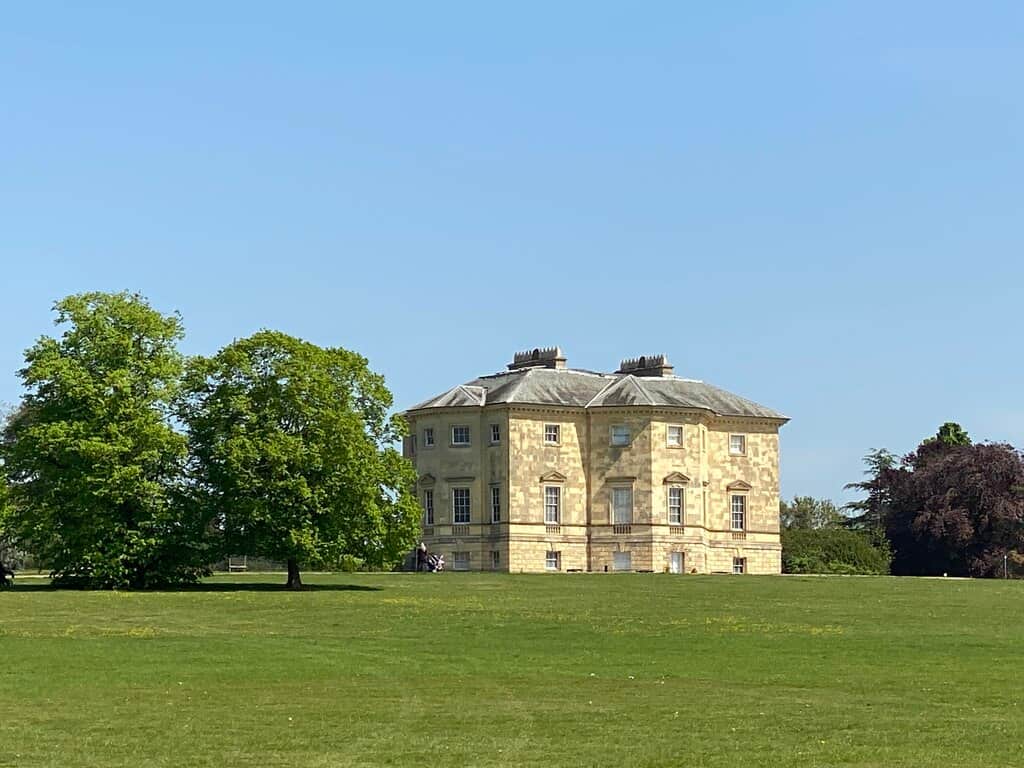
Bexley is one of the most green and family-oriented of the outer London boroughs, with a settled population of long-term homeowners, a substantial older demographic and an unusually high share of land given over to parks, meadows and open space. Almost forty percent of the borough is open land, which means most households here live within easy reach of somewhere proper to walk a dog. That changes the dog walking market in a specific way: demand is rarely about access to green space, because owners already have it. It is about time.
Bexley's commuter corridors run through Bexleyheath, Sidcup, Welling and Belvedere, and the working week here is long. Owners are out of the house through the school run, the train into central London, the working day and back again, and the dogs that share those homes need someone reliable to bridge the middle of the day. Family streets with detached and semi-detached houses generate steady demand for everyday group walks, while the smaller pockets of flats and rental housing near rail stations and town centres lean more toward solo midday cover and puppy visits.
Typical dog profiles and walking patterns
The dominant pattern in Bexley is regular weekday cover for settled households rather than ad-hoc weekend bookings. Active family dogs in suburban homes make up a large share of the local market, often paired with school-age children and parents juggling commuting and hybrid working. Alongside them, smaller companion breeds and rescues living in flats and town-centre maisonettes rely more heavily on structured walks for socialisation as well as exercise.
Group walks of three to five dogs are the most common product, particularly through Bexleyheath and Sidcup, but there is also clear demand for solo walks. Older dogs, reactive dogs and puppies still building confidence all benefit from one-to-one time, and the borough's older population means senior-dog visits and gentler short walks are a meaningful part of what local providers offer. Most walkers here will want to meet a new dog and ask about temperament, recall and play style before agreeing to fold them into an existing group.
Popular walking locations
Danson Park is the most heavily used green space in the borough, a Grade II listed park with a lake, formal gardens and open grassland that draws families, runners and dog walkers in roughly equal numbers. It works well for routine daily walks but can get busy in good weather, so good local walkers tend to use the quieter morning and mid-afternoon slots and rotate to other sites when summer crowds arrive. Foots Cray Meadows runs along the River Cray with proper open meadow and woodland, and is one of the borough's Green Flag sites, which makes it a reliable option for energetic dogs that need real distance.
Lesnes Abbey Woods, on the borough's northern edge, gives walkers ancient woodland and the famous bluebells in spring, and the longer trails work well for adventure-style group walks. Hall Place Gardens combines formal grounds with riverside paths along the Cray, and Crayford Marshes offers a different feel altogether with open marshland and views across to the Thames, which suits dogs that respond well to distance and quieter routes. Bexley Woods is the small, useful local option for shorter weekday cover. The borough's older park byelaws prohibit dogs from specific zones inside several parks, including parts of Danson Park, Abbey Wood Recreation Ground and Belvedere Recreation Ground, so walkers need to know which sections of each site are off-limits rather than assuming the whole park is open access.
Local requirements and standards
Bexley operates a borough-wide Public Spaces Protection Order, with breaches treated as criminal offences and fixed penalties of up to £1,000 available for serious or repeated breaches. The PSPO covers antisocial behaviour in public spaces generally, and dog fouling, failure to keep dogs under control and ignoring lead requirements all sit within its scope. Park byelaws layered on top of the PSPO also restrict dogs from playgrounds, sports areas and specific zones in some of the borough's larger parks, which means walkers operating across multiple sites need to know each one in detail.
Beyond the rules, the markers of a properly set up dog walker in Bexley are the same as elsewhere in London. Public liability insurance is essential because it covers accidents, damage and incidents involving other dogs or members of the public, and most reputable insurers tie cover to a stated maximum group size. A DBS check matters because walkers routinely hold keys and enter homes unaccompanied. Pet first aid training is the other meaningful credential, particularly for walkers using off-lead routes through woodland or open meadow where injuries and heat stress are more likely to need a quick response. Membership of a professional body such as NARPS UK, willingness to share references, and a clearly stated cap on group size are all reasonable things to ask about before booking, and any walker worth using will be comfortable answering all of them.
Neighbourhood insights
Bexleyheath generates the highest volume of routine weekday demand, helped by a combination of commuter households, family streets and quick access to Danson Park. Local marketplace activity has consistently shown more available walkers here than anywhere else in the borough, and that depth of supply tends to keep prices steady for owners booking regular cover. Sidcup is the other major hub, with strong family demand and good access to Foots Cray Meadows and the Cray Valley routes, and it tends to attract walkers who specialise in longer, more energetic group walks.
Welling and Belvedere generate a slightly different profile, with more flats and smaller homes near the rail corridor and a steadier flow of midday solo bookings and puppy visits. Across all of these areas, the underlying driver is the same: a working week long enough that even households with gardens need a reliable hand in the middle of the day.
Seasonal considerations
Bexley's heavy reliance on open meadow and woodland routes means seasonal conditions affect walks here more than they do in tightly paved inner boroughs. Foots Cray Meadows, Crayford Marshes and the wooded sections of Lesnes Abbey churn up quickly in wet autumn and winter weather, and any walker working the borough seriously will keep a set of backup routes for the days when the main spaces are too muddy. Shorter winter afternoons also push group walks earlier in the day, and walkers using the woodland trails should expect to factor in light and visibility from late October onward.
Summer brings the opposite challenge. Danson Park in particular fills with families and event traffic in good weather, which can make group walks harder to manage cleanly through the middle of the day. Heat stress is a real concern on the more exposed meadow and marsh routes, and walkers covering Bexley properly will adjust pace, distance and route choice through the warmer months rather than running their usual schedule unchanged.
Areas covered
- Bexleyheath
- Sidcup
- Welling
- Belvedere
- Crayford
- Abbey Wood
- Erith