 Pawthority
About dog walking in Westminster
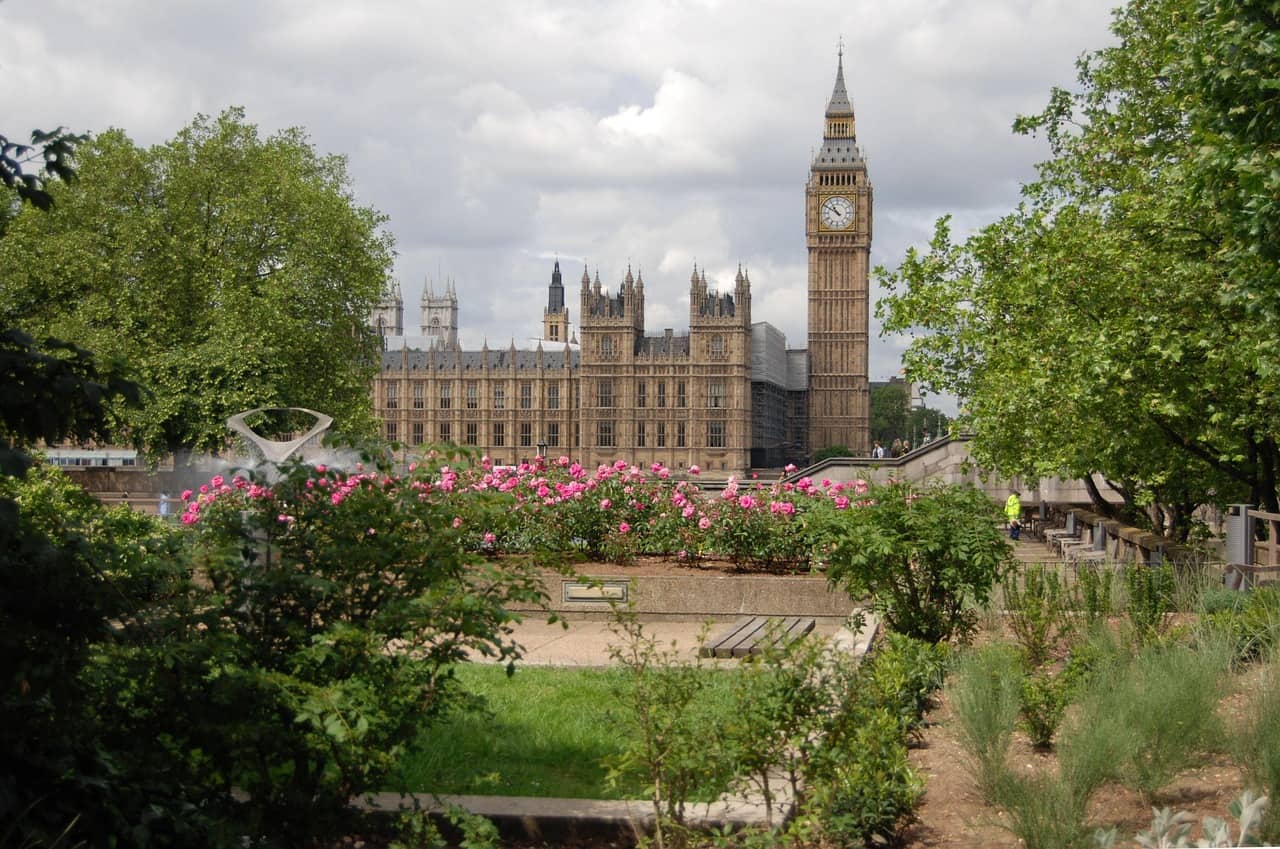
Westminster is one of the most distinctive boroughs in London for professional dog walking, with a population, housing stock and working pattern that look almost nothing like anywhere else in the city. The resident base sits at around 163,000, lower than most of inner London and far lower than the daytime population that floods in from across the country every working day. The borough runs from Marylebone and Bayswater through to Westminster proper, taking in Mayfair, Belgravia, Pimlico, Soho and Maida Vale, with around three quarters of households living in flats and the lowest home ownership rate of any London borough. Most of the housing here is rental, leasehold or pied-à-terre, and the working population leans heavily toward City finance, government, professional services and the creative industries clustered through Soho and Fitzrovia.
That mix shapes the dog walking market in a particular way. Demand here is rarely about getting a dog out of the home in the morning, because most owners do that themselves on the way to work or breakfast in the local cafe. It is about bridging the working day in apartments with no garden access, often combined with the kind of unpredictable schedule that comes with finance, hospitality or hybrid professional roles. The borough also has a substantial transient professional base, with embassy staff, international families and short-term residents adding a layer of premium demand for discreet, reliable services. Most providers operating seriously in Westminster build their schedules around tight pickup windows from concierge buildings and converted period flats, and the market leans heavily toward higher-end pricing and smaller, carefully matched groups.
Typical dog profiles and walking patterns
The most common profile across Mayfair, Belgravia and the luxury flat market is a small companion dog, often a French Bulldog, English Bulldog or smaller designer crossbreed, paired with a working professional or international resident whose schedule makes a midday walk impossible without help. These dogs generate consistent demand for shorter, well-managed urban walks rather than long off-lead runs, and the market here is characterised by VIP-level expectations around discretion, reliability and grooming standards as much as exercise itself. Embassy terraces and the more residential pockets of Marylebone and Pimlico generate a different pattern, with rescues and slightly larger family dogs driving demand for proper hour-long group walks.
Group walks of three to four dogs are the most common product, with the four-dog standard widely accepted as best practice across the borough's parks and the larger Royal Parks within Westminster's boundaries. Solo walks make up a much larger share of the market here than in most boroughs, particularly across the high-end residential pockets where one-to-one cover is the default rather than the exception. Most local walkers will want to meet a new dog and ask carefully about temperament, recall and tolerance for tourist crowds before agreeing to fold them into an existing group, and that screening matters here more than almost anywhere else given how busy the central parks become through the working day.
Popular walking locations
Hyde Park is the standout green space in the borough and one of the most heavily used parks in central London, with the Serpentine running through the centre, mature avenues and proper distance for a walk that feels like more than a quick toilet break. Off-lead access is allowed across most of the park, with standard exclusions around the children's playgrounds and the option for officers to direct dogs onto leads in busier zones. Commercial dog walking in Hyde Park is regulated by the Royal Parks rather than Westminster City Council, and professional walkers operating there need a separate licence. Kensington Gardens sits to the west of Hyde Park and shares the same licensing structure, with lead requirements around the Albert Memorial and the more formal sections.
St James's Park gives walkers a more compact and characterful option, with the lake, the famous pelicans and views across to Buckingham Palace and Horse Guards. Dogs are banned from the Memorial Gardens, and the park's busy tourist footfall shapes how it can realistically be used for group walks across most of the day. Green Park provides open lawns running up Constitution Hill, with lead requirements near the Mall during state events and ceremonies. Regent's Park, on the borough's northern boundary, offers proper distance with the Rose Garden and London Zoo within its bounds, and the Royal Parks group-size guidance applies. Paddington Basin and the Regent's Canal towpath through Maida Vale and Little Venice give walkers a useful waterside option, with lead requirements near the residential moorings and busy crossings.
Local requirements and standards
Westminster enforces dog fouling rules through fixed penalty notices that can run from £100 up to £1,000 in the most serious cases, with several hotspot areas across the borough monitored by CCTV. The borough does not operate a single fixed cap on group sizes, but the four-dog standard widely used across central London Royal Parks is the practical working limit for professional walkers operating across multiple sites. Dogs are banned from children's playgrounds and marked sports areas, and additional Public Spaces Protection Orders apply in some housing estates, on certain roads and around specific public spaces, with lead requirements that walkers operating across the borough need to know in detail.
The Royal Parks rules layered on top of the borough's PSPO are the most important piece of local knowledge for any walker working seriously in Westminster. Hyde Park, Kensington Gardens, Green Park, St James's Park and Regent's Park all carry licensing requirements for commercial dog walking, and the rules around state ceremonies and major events bring temporary closures and access restrictions that can disrupt established schedules at short notice. Beyond the rules, the markers of a properly set up dog walker in Westminster are the same as elsewhere in London. Public liability insurance is essential because it covers accidents, damage and incidents involving other dogs or members of the public, and the Royal Parks licensing process requires evidence of insurance as part of the application. Most reputable insurers tie cover to a stated maximum group size that aligns with the four-dog standard. A DBS check matters because walkers routinely hold keys, work with concierge staff and enter homes unaccompanied, and that is the dominant pickup pattern across the borough's high-end residential blocks. Pet first aid training is the other meaningful credential, particularly for walkers using the central Royal Parks where heat stress, paw injuries and the occasional tourist or traffic incident are all more likely than on quieter residential paths. Membership of a professional body such as NARPS UK, willingness to share references, and a clearly stated cap on group size are all reasonable things to ask about before booking. In Westminster specifically, asking whether a provider holds a current Royal Parks licence is essential if the dog will be walked in any of the central parks, and asking how they handle state event access restrictions is worth doing for any walker working close to the Mall, Buckingham Palace or Whitehall.
Neighbourhood insights
Mayfair and Belgravia generate the highest concentration of premium demand in the borough, helped by the cluster of luxury flats, international residents and high-net-worth households along Park Lane, Eaton Square and the surrounding streets. Walkers operating in this area tend to specialise in discreet, one-to-one solo walks for designer breeds rather than larger group bookings, and the local market supports providers who can hold Royal Parks licences and meet elevated standards around timing, communication and presentation. The expectations in this part of the borough are not just about exercise, they extend to how the dog is returned, how the home is left and how quickly the walker responds to messages.
Pimlico generates a slightly different profile, with strong commuter density around Victoria Station and a steady flow of midday solo cover bookings tied to short pickup windows. Maida Vale and Little Venice generate consistent demand from the canalside flats and converted period housing, with first-time owners often turning to professional walkers for both exercise and structured social contact for younger dogs. Marylebone and Bayswater sit between the high-end and the more residential profiles, with a mix of family demand and concierge-building solo cover supporting walkers who can build flexible schedules across both. Across all of these areas, the underlying driver is the same: a working week long enough, and a housing stock dense enough, that professional walking is structurally required rather than a convenience.
Seasonal considerations
Westminster's parks fill with tourist footfall in good weather, and the central Royal Parks become significantly harder to manage for group walks through the summer months as a result. Good local walkers tend to push group walks earlier in the morning or shift toward Regent's Park and the Paddington Basin canal when the more central spaces get too crowded. Heat stress is a real concern on the more exposed sections of Hyde Park and Green Park, and the Serpentine offers useful shade-and-water options for hot days, though group walks need careful management around the busy lakeside cafe areas. Walkers covering the borough properly will adjust pace, distance and route choice through the warmer months rather than running their usual schedule unchanged.
State events and ceremonial occasions bring another layer of seasonal pressure that is unique to Westminster. Trooping the Colour, state visits, the State Opening of Parliament and other major events bring road closures, park access restrictions and security perimeters that can disrupt established walking schedules at short notice. Good walkers track the parliamentary and royal calendar alongside the weather forecast. Winter brings the opposite challenge with shorter afternoons pushing group walks earlier in the day, Thames fog reducing visibility along the canal and riverside routes, and the better-lit paths through Regent's Park and the residential loops around Marylebone and Pimlico picking up much of the load when the bigger spaces are too wet or too dark to use cleanly.
Areas covered
- Mayfair
- Belgravia
- Pimlico
- Marylebone
- Maida Vale
- Bayswater
- Westminster