 Pawthority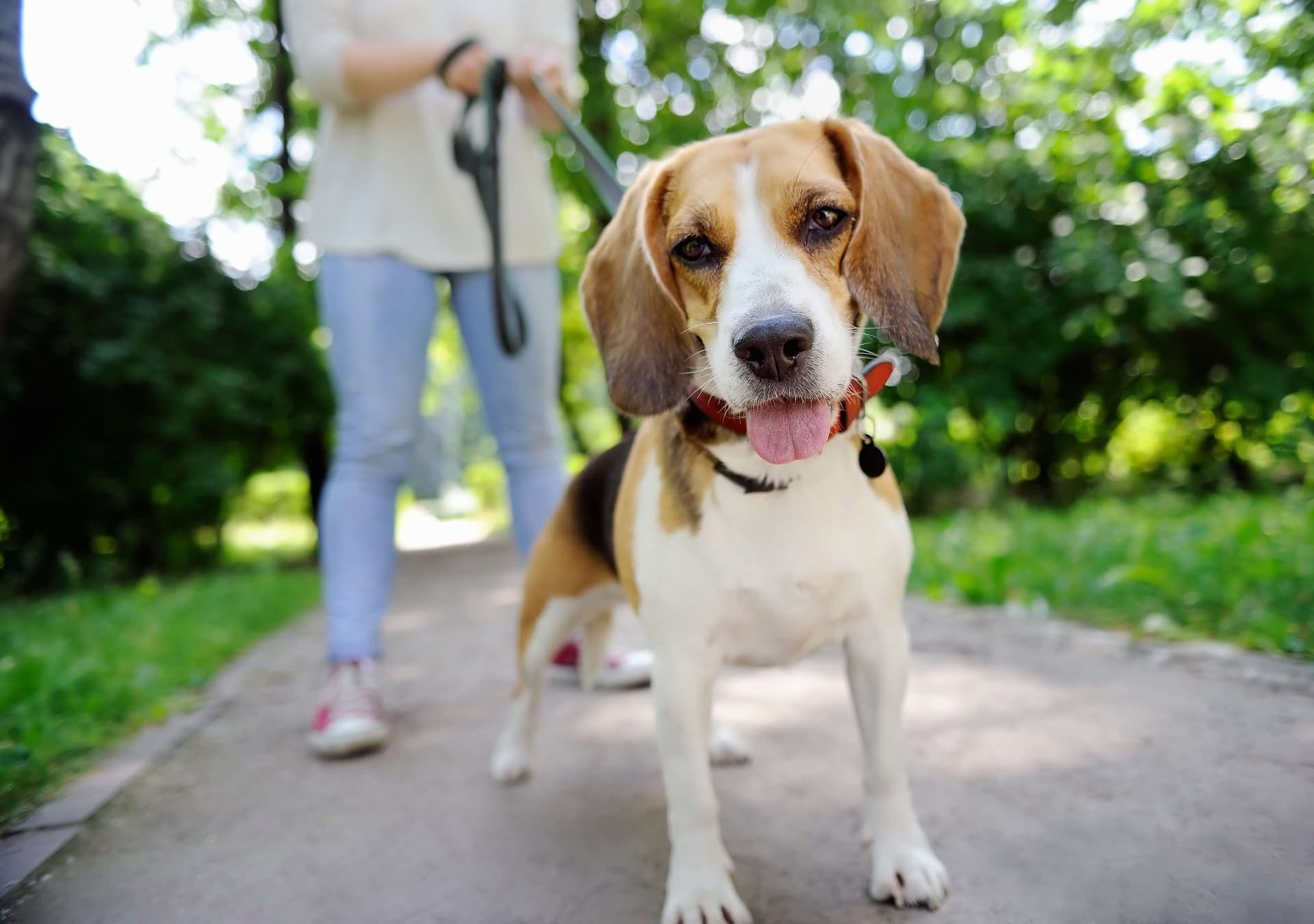
About dog walking in Wandsworth
Wandsworth is one of the most affluent and fastest-changing of the south-west London boroughs, with a population approaching 330,000 and a working profile dominated by young professionals, finance and tech workers, and an established family base across the leafier residential streets. The borough's housing stock splits clearly between the gardened semi-detached and terraced homes that dominate Putney, Wandsworth Town and Tooting, and the high-rise developments that have transformed the riverside through Battersea, Nine Elms and the Power Station regeneration zone. That split shapes the dog walking market in a recognisable way, with garden-owning households generating consistent demand for proper hour-long group walks, while flat-based owners along the river lean toward shorter midday solo walks and puppy visits.
What makes Wandsworth distinctive is the combination of premium incomes, long working hours and exceptional green space. The borough has Wandsworth Common, Clapham Common, Tooting Common, Battersea Park and Putney Heath all within its boundaries, alongside extensive Thames frontage and the Wandle running through the heart of it. Owners are generally well served for access, and what drives demand for professional walkers is the working day. Strong Northern Line and overground commutes, hybrid working patterns at Battersea Power Station and the wider tech employer base, and the kind of long working hours that come with finance careers all leave gaps that even gardened households cannot bridge without help.
Typical dog profiles and walking patterns
The most common profile across the family-heavy parts of Wandsworth is an active working breed: Spaniels, Labradors, Retrievers and similar dogs that need proper hour-long walks to stay settled. These dogs generate consistent demand for longer route-based group walks, particularly in the streets close to the Commons and around Putney and Roehampton. Riverside flats around Battersea and Nine Elms generate a different pattern, with smaller companion breeds, Cockapoos and other portable family dogs leaning toward shorter midday solo walks and puppy socialisation visits.
Group walks of three to four dogs are the most common product, with the borough's licensing structure adding an important nuance. The standard cap sits at four dogs per person, with a six-dog licence available to residents and professional walkers who can demonstrate control and meet the borough's code of conduct. In practice, most local walkers operate well within either limit, both for control and because the busy Commons and tight pickup logistics make smaller groups easier to manage. Solo walks make up a meaningful share of demand, particularly for older dogs, reactive dogs and the higher-end clients across Putney, Wandsworth and Battersea who often prefer one-to-one cover. Most local walkers will want to meet a new dog and ask carefully about temperament, recall and play style before agreeing to fold them into an existing group.
Popular walking locations
Wandsworth Common is one of the standout green spaces in the borough, with seventy-five hectares of open land, ponds and mature trees drawing a steady flow of regulars across the working day. The cafe sits at the centre of the Common and works well as an anchor for both group and solo walks, though dogs are excluded from the Stock Pond area and the cricket pitches. Clapham Common stretches across the eastern edge of the borough into Lambeth, with eighty-nine hectares of open heath and the kind of distance that suits proper energetic group walks. The Common is also one of the sites where the borough's six-dog licensed walker rule applies, making knowledge of the licensing scheme important for anyone working larger groups in this part of the borough.
Battersea Park gives walkers a genuinely useful flagship riverside option, with the Thames frontage, lake, mature trees and the path network linking through to the Power Station development. The Children's Zoo and the Promontory Garden are both dog-free, and lead requirements apply through the more formal sections, but the wider park works well for both group and solo walks across the working day. Tooting Common provides another large open space on the southern side of the borough, with its lake, amphibian ponds and ecology zones requiring leads in sensitive areas. King George's Park runs along the Wandle through Wandsworth Town with its own lake and fenced biodiversity areas, and Putney Heath offers a more wooded feel with mature trees, sandy paths and proper distance for higher-energy dogs, with lead requirements around the tennis courts and other formal zones.
Local requirements and standards
Wandsworth enforces dog fouling rules through fixed penalty notices of £100, with all dog mess required to be cleared immediately and disposed of in standard park or street bins. The borough caps walks at four dogs per person without a licence, with a six-dog licence available to residents and professional walkers who meet the borough's code of conduct around control, behaviour and route management. The borough operates one of the more extensive lists of restricted sites in London, with over twenty zones carrying full or partial dog bans, including sections of Upper Tooting Park along with the standard playground, sports pitch, lake and ornamental garden exclusions across most of the major parks. Walkers operating across multiple sites need to know each park's specific rules in detail rather than treating the borough-wide PSPO as the full picture.
Beyond the rules, the markers of a properly set up dog walker in Wandsworth are the same as elsewhere in London. Public liability insurance is essential because it covers accidents, damage and incidents involving other dogs or members of the public, and the borough's six-dog licence scheme requires evidence of insurance as part of the application. Most reputable insurers tie cover to a stated maximum group size that aligns with either the four-dog cap or the six-dog licence. A DBS check matters because walkers routinely hold keys and enter homes unaccompanied, including across the borough's higher-end family streets where security expectations tend to be elevated. Pet first aid training is the other meaningful credential, particularly for walkers using the Commons, the Thames towpath and the longer routes through the larger parks where heat stress, paw injuries and the occasional water or wildlife incident are all more likely than on quieter residential paths. Membership of a professional body such as NARPS UK, willingness to share references, and a clearly stated cap on group size are all reasonable things to ask about before booking. In Wandsworth specifically, asking whether a provider holds a current six-dog licence is also worth doing if a larger group walk is being booked, and asking how they handle the borough's site-specific exclusion zones is worth doing for any walker working across multiple parks.
Neighbourhood insights
Battersea generates one of the highest concentrations of demand in the borough, helped by the cluster of new-build flats around the Power Station regeneration, the proximity to Battersea Park and a younger working population with a strong creative and tech profile. Puppy socialisation walks are particularly common here, with first-time owners in flats often turning to professional walkers for both exercise and structured social contact for younger dogs. Nine Elms shares a similar high-rise profile along the Northern Line corridor, with executive flats and a heavy commuter base driving a concentrated picture of midday solo cover and lunch-hour group walks tied to tight pickup windows.
Putney generates a more settled family-led demand pattern, with strong school-run timing and good access to Putney Heath and the Thames supporting longer route-based group walks. Wandsworth Town and Earlsfield sit between the two profiles, with a mix of gardened terraces and flats around the station corridors generating both group and solo bookings across the working day. Tooting and Balham generate a similar pattern with strong family demand close to Tooting and Wandsworth Commons, and Roehampton provides a more traditional outer-suburban feel with longer group walks for active family dogs. Across all of these areas, the underlying driver is the same: a working week long enough that even households with proper outdoor access need a reliable hand in the middle of the day, supported by an unusually strong premium tier across the borough.
Seasonal considerations
The Commons and Battersea Park fill quickly in good weather, and the events calendar at Clapham Common and Battersea Park can make group walks significantly harder to manage through the summer months. Good local walkers tend to push group walks earlier in the morning or shift toward Wandsworth Common, Putney Heath or the Wandle paths when the busier sites get too crowded. The Thames towpath gives walkers useful water-side options on hot days, though footfall and cyclist traffic both shape how those routes can realistically be used for group walks. Heat stress is a real concern on the more exposed sections of the Commons and the open Thames frontage, and walkers covering the borough properly will adjust pace, distance and route choice through the warmer months rather than running their usual schedule unchanged.
Winter brings the opposite challenge. Shorter afternoons push group walks earlier in the day, and the lower-lying sections of Tooting Common and the Wandle paths churn up quickly after heavy rain, with valley fog rolling in along the river affecting visibility on the more open routes. The better-lit paths through King George's Park and the residential loops around Wandsworth Town and Battersea pick up much of the load when the bigger spaces are too wet or too dark to use cleanly. Good local walkers will keep a set of well-drained and well-lit backup routes for the days when the main spaces are difficult.
Areas covered
- Battersea
- Putney
- Wandsworth Town
- Tooting
- Balham
- Earlsfield
- Roehampton