 Pawthority
About dog walking in Greenwich
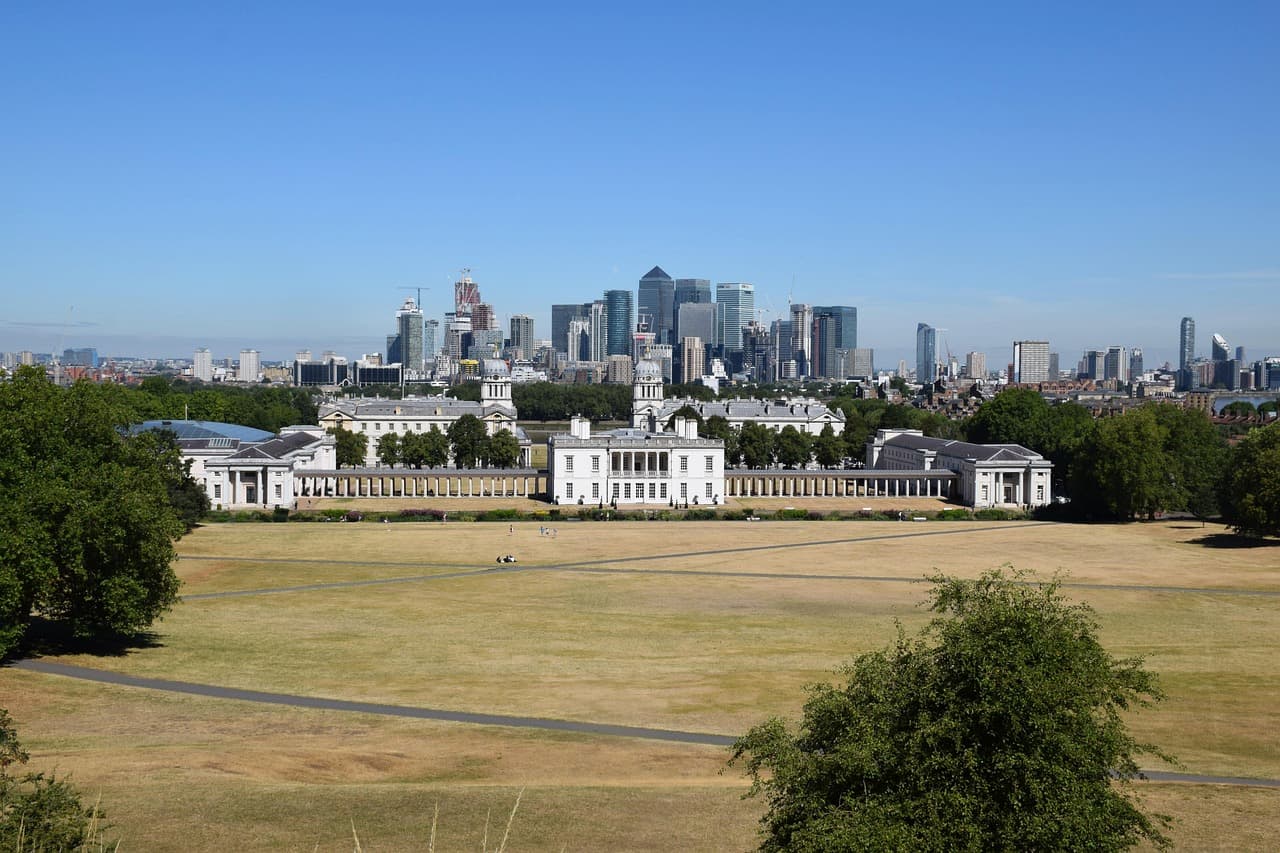
Greenwich is one of the more rapidly changing boroughs in south-east London, with a population that has climbed sharply over the past decade and a housing mix shaped by both regeneration and long-established family streets. The borough sits at the meeting point of the Canary Wharf commute, the DLR network and the riverside developments along the Thames, which gives it a working population that leans young, mobile and time-poor. New-build high-rise developments at Greenwich Peninsula and Kidbrooke Village have drawn a substantial flow of professionals into flats with limited or no private outdoor space, and that is the single biggest driver of dog walking demand here.
Further south, the borough looks quite different. Eltham, Blackheath and the streets running toward Oxleas Woods sit in more settled family territory, with terraces, gardens and a slower residential rhythm. Both ends of the borough generate steady demand for professional walkers, but for different reasons. In the regenerated north, the issue is space, with flats and maisonettes leaving dogs without anywhere to stretch out across the working day. In the south, it is simply hours, with commuting and hybrid working leaving even garden-owning households needing reliable cover in the middle of the day.
Typical dog profiles and walking patterns
The most common profile in the northern half of the borough is a flat-dwelling companion dog, often a French Bulldog or smaller crossbreed, paired with a young professional whose schedule makes a midday walk impossible without help. Greenwich Peninsula in particular generates a steady flow of puppy socialisation visits and shorter solo walks, with first-time owners in new-build flats often relying on professional walkers for both exercise and structured social contact. Rescue Staffies and similar urban-suited dogs are common across the social housing stock and tend to benefit from regular pack walks for behavioural support as well as exercise.
The southern half of the borough generates a different pattern. Active family dogs, particularly Labradors and Springers, are common in the streets around Oxleas Woods, Eltham and Blackheath, and these dogs generate consistent demand for proper hour-long group walks rather than quick toilet breaks. Group walks of three to four dogs are the most common product across the borough, with Greenwich operating a four-dog cap that applies to all walkers including professionals. Solo walks make up a meaningful share of demand, and most local walkers will want to meet a new dog and ask carefully about temperament, recall and play style before agreeing to fold them into an existing group.
Popular walking locations
Greenwich Park is the standout green space in the borough, with around one hundred and eighty acres of open ground, formal avenues and the Royal Observatory hill drawing a steady flow of regulars across the working day. Most of the park allows off-lead access, but dogs are excluded from the Flower Garden and the Wilderness Deer Park, and seasonal lead requirements apply during the deer birthing period each year. Walkers using the park properly will know which sections are open and when, and that local knowledge matters more here than in most boroughs.
Oxleas Woods provides a completely different feel, with ancient woodland, streams and proper rural-feeling trails on the borough's southern edge. It works particularly well for adventure-style group walks and is the obvious choice when summer crowds make Greenwich Park harder to manage, though the streams and woodland paths churn up quickly after heavy rain. Lesnes Abbey Woods, on the borough's eastern edge with Bexley, gives walkers more ancient woodland with on-lead zones in the nature reserve sections, and Eltham Park South offers open meadows close to residential streets with the dog-friendly Pistachios cafe nearby. Cator Park in Kidbrooke is a newer addition built into the regeneration scheme, with biodiversity meadows and over seven hundred trees that attract wildlife and give walkers a softer, more naturalistic option close to the new flats. The Greenwich Peninsula Thames Path runs as an elevated riverside route with public art installations, though tidal access and busy summer footfall both shape how it can realistically be used for group walks.
Local requirements and standards
Greenwich operates a borough-wide Public Spaces Protection Order requiring all dog fouling to be cleared immediately, with fixed penalty notices set at £100 and bagged waste accepted in any standard bin. The PSPO caps the number of dogs one person can walk at four, applicable to professionals as well as private owners, and extends to covered open land as well as parks and streets. Dogs are banned from all enclosed children's play areas, with fenced slides and swings explicitly off-limits, and authorised officers can require dogs to be put on lead if they are causing nuisance to other people or wildlife. Greenwich Park's deer-related lead requirements operate separately from the PSPO and apply on Royal Parks land, so walkers operating across multiple sites need to know which rules apply where.
Beyond the rules, the markers of a properly set up dog walker in Greenwich are the same as elsewhere in London. Public liability insurance is essential because it covers accidents, damage and incidents involving other dogs or members of the public, and most reputable insurers tie cover to a stated maximum group size that matches the borough's four-dog cap. A DBS check matters because walkers routinely hold keys and enter homes unaccompanied, and that is the dominant pickup pattern across the high-rise developments at Greenwich Peninsula and Kidbrooke. Pet first aid training is the other meaningful credential, particularly for walkers using Oxleas Woods and the longer Greenwich Park routes where slips, paw injuries and heat stress are all more likely than on quieter residential paths. Membership of a professional body such as NARPS UK, willingness to share references, and a clearly stated cap on group size are all reasonable things to ask about before booking, and any walker worth using will be comfortable answering all of them.
Neighbourhood insights
Greenwich Peninsula generates the highest volume of routine demand, helped by the cluster of new-build high-rise flats around the O2 and the surrounding regeneration zone. The mix of compact apartments and a young, hybrid-working population means professional walking is often the only practical way to keep a dog properly exercised through a working day, and providers operating in this area tend to run frequent, tight schedules with short pickup windows. Puppy socialisation walks are particularly common here, with first-time owners in new flats often turning to professional walkers for both exercise and structured social contact for younger dogs.
Blackheath generates a steady flow of demand from active breed families with quick access to Greenwich Park, with longer route-based group walks the dominant product. Kidbrooke Village shares some of the Peninsula's high-rise profile but with a slightly more settled family base, and the streets close to Cator Park generate consistent lunch-hour bookings from commuters working through the day. Eltham looks more like a typical outer-London market, with a mix of solo and group bookings, strong weekday demand from working households and easy access to Eltham Park South and the routes leading toward Oxleas. Across all of these areas, the underlying driver is the same: a working week long enough that even households with garden access need a reliable hand in the middle of the day.
Seasonal considerations
Greenwich Park fills quickly in good weather, particularly through the summer tourist season when the Royal Observatory and the formal avenues draw heavy footfall across the working day. Good local walkers tend to push group walks earlier in the morning or shift toward Oxleas and the southern parks when the main park gets too crowded to manage cleanly. Heat stress is a real concern on the more exposed sections of Greenwich Park and the open Thames Path stretches, and walkers covering the borough properly will adjust pace, distance and route choice through the warmer months rather than running their usual schedule unchanged. Water stops on longer Thames Path walks become a practical necessity rather than an optional extra in summer.
Winter brings the opposite challenge. Shorter afternoons push group walks earlier in the day, and the woodland paths through Oxleas and Lesnes Abbey churn up quickly after heavy rain, with Thames fog adding visibility issues along the riverside routes. The better-lit Eltham paths and the residential loops around Cator Park pick up much of the load when the bigger spaces are too wet or too dark to use cleanly. The deer birthing season at Greenwich Park brings additional lead requirements through the spring, and good walkers will keep track of when those restrictions come into effect rather than working from a fixed yearly schedule.
Areas covered
- Greenwich Town
- Blackheath
- Charlton
- Eltham
- Woolwich
- Kidbrooke
- Greenwich Peninsula
- Thamesmead