 Pawthority
About dog training in Greenwich
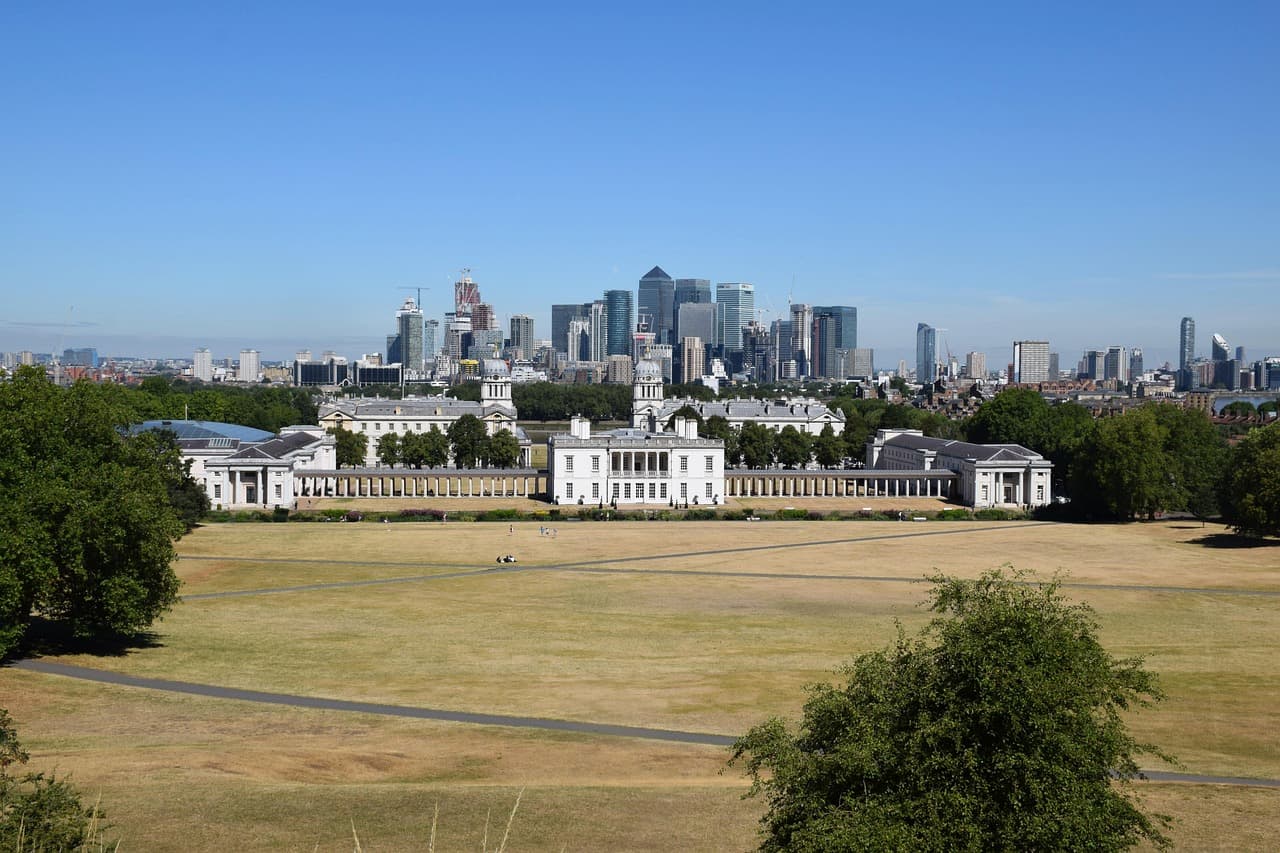
Greenwich is one of London's most distinctive boroughs, where a UNESCO World Heritage Site, Royal Parks and a rapidly growing population create a varied backdrop for dog ownership. With nearly 290,000 residents and housing that ranges from Victorian terraces in Blackheath and Westcombe Park to new-build flats on Greenwich Peninsula, the borough attracts an unusually broad range of owners.
Families with gardens sit alongside first-time owners in high-rise rentals, and many residents face the classic commuter challenge of leaving dogs home alone during long working days. That diversity is exactly what makes dog training such a worthwhile investment here. Whether you have a rescue dog who arrived with baggage, a Border Collie who needs a mental outlet, or a Staffie puppy who has never met a quiet moment, Greenwich has the parks, trainers and community to support you.
Common behaviour challenges
The behaviour challenges Greenwich trainers see most often reflect the borough's urban-meets-suburban character. Adolescent dogs going through their teenage phase are a consistent theme, particularly in areas with high footfall where the distractions are endless. Recall in busy parks is another frequent focus: Greenwich Park draws large crowds year-round and Blackheath fills up on sunny weekends, making reliable off-lead behaviour difficult to maintain without structured work. Lead reactivity is common on busier high streets, especially around Woolwich and Greenwich town centre, where dogs encounter traffic, cyclists and unfamiliar dogs in quick succession. Separation anxiety is also prevalent among dogs whose owners commute into central London, while flat-dwelling dogs in Greenwich Peninsula and around Greenwich Station often show signs of under-stimulation that manifest as destructive behaviour or excessive barking. Rescue dog rehabilitation, puppy socialisation and basic life skills in urban environments round out the most commonly requested training support across the borough.
Popular locations for training
Greenwich Park is the natural anchor for outdoor training in the borough. At 183 acres, it offers open lawns, wooded paths and enough space to practise long-line recall work well away from other visitors, with the added bonus of a beautiful setting along the Thames hilltop. Trainers use the varied terrain to introduce distraction work gradually, starting in quieter corners before moving toward busier pathways. Blackheath is the borough's other major outdoor training ground, with wide-open grassland that suits off-lead socialisation and group recall practice. The proximity to Blackheath Village means cafe-break socialisation is easy to incorporate, with dogs learning to settle calmly while owners enjoy a coffee. Maryon Park and Oxleas Wood both offer shaded trails and open meadows that work well for focused obedience sessions away from the largest crowds, and Charlton Maryon Wilson Park provides open fields for lead-manners work, with the reminder that dogs must be kept on lead near the children's play area.
Local rules and what to look for in a trainer
Greenwich's Public Spaces Protection Order sets clear expectations for dog owners across the borough. Fouling must be cleared immediately, and failure to do so carries a £100 fixed penalty notice, rising to a possible £1,000 if prosecuted. The PSPO also limits any one person to walking a maximum of four dogs at a time in public spaces, which applies across parks, highways and public areas borough-wide. Dogs are excluded from enclosed children's play areas, formal garden zones, nature conservation areas and flower beds, and enforcement officers can require a dog to be put on lead at any point if it is causing distress or posing a risk to wildlife or public safety. When choosing a trainer, look for membership of the Institute of Modern Dog Trainers (IMDT), the Association of Pet Dog Trainers (APDT), or registration with the Animal Behaviour and Training Council (ABTC). A commitment to force-free, reward-based methods is non-negotiable, and a current canine first aid certificate and professional insurance are worth confirming before any sessions begin.
Neighbourhood insights
Blackheath, Westcombe Park and Charlton tend to attract owners with private gardens and a slightly longer history of dog ownership. The Victorian and Edwardian terraces that dominate these streets suit gundog-type breeds and active working dogs, and the neighbourhood's relative calm compared with central Greenwich makes it well-suited to trainers who work outdoors in smaller groups. Greenwich Peninsula represents a contrasting picture entirely. The concentration of new-build flats, many without private outdoor space, means residents here are disproportionately likely to be first-time owners managing dogs in compact living environments. Puppy life-skills classes and urban-walking support are in particularly high demand in this part of the borough. Woolwich and the areas around Greenwich Station share a similar profile, with younger renters and mixed housing where accessible, affordable group classes tend to fill quickly. Home-visit training works well across much of the borough but is especially valued by owners in flatter, denser neighbourhoods who want help adapting training to a smaller living space.
Seasonal considerations
Spring and summer bring Greenwich's parks to life, which is both an opportunity and a challenge for training. Greenwich Park and Blackheath become significantly busier during the warmer months, with events including the Greenwich Summer Festival and the Greenwich and Docklands International Festival drawing large crowds that introduce new distractions for dogs working on recall and lead manners. Trainers often use this increased footfall for proofing behaviour in busier environments, but owners new to training will generally find quieter weekday morning sessions more manageable. As autumn arrives, muddy fields and shorter daylight hours shift the balance toward indoor and home-visit sessions, and many trainers see increased demand for in-home behaviour consultations during the colder months. Winter schedules often run earlier in the day to make use of available light, and owners with commuter-heavy routines tend to book block sessions to keep consistency through the darker period. Local events such as Greenwich Market days and occasional match-day crowds near the borough's sports facilities can temporarily affect access to certain areas, so it is worth checking with your trainer if a session falls during a known local event.
Areas covered
- Greenwich Town
- Woolwich
- Blackheath
- Eltham
- Charlton
- Plumstead
- Abbey Wood