 Pawthority
About dog training in Hackney
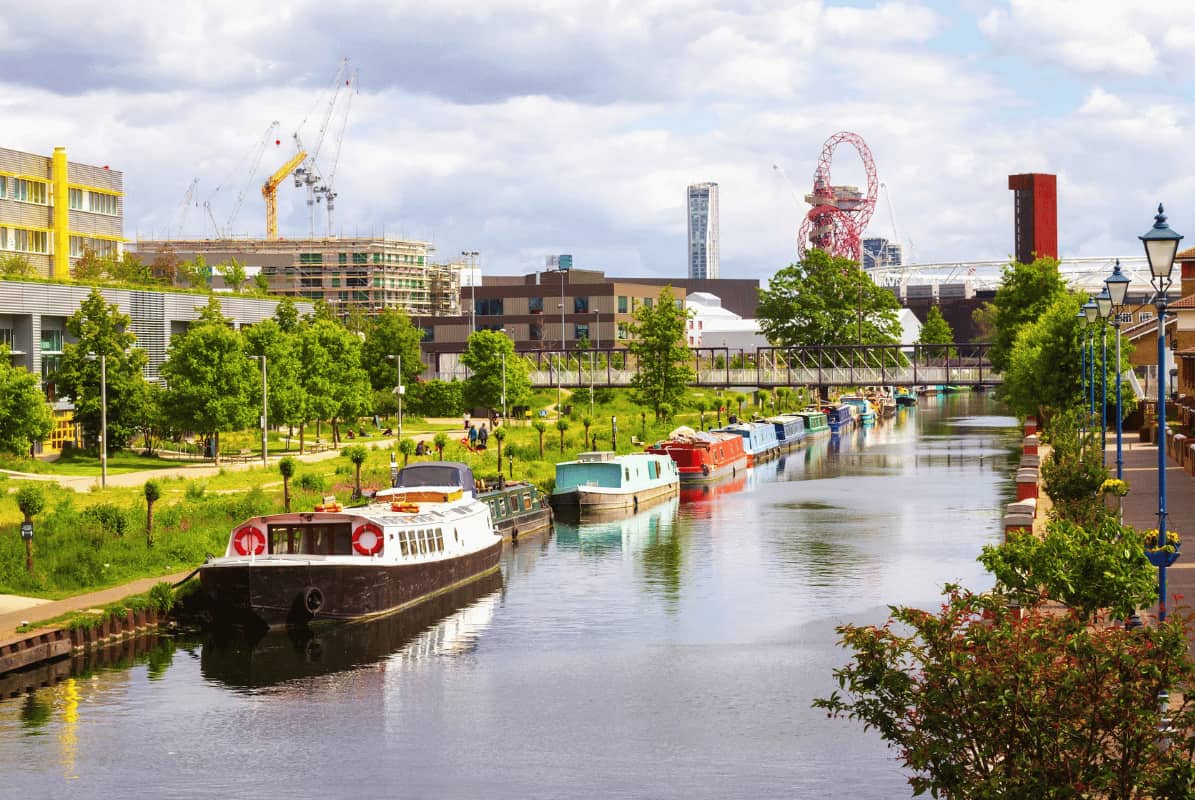
Hackney is one of inner east London's most densely populated and rapidly changing boroughs, with around 281,000 residents and a housing stock that skews heavily toward flats and rented accommodation. Owner-occupation sits at just under 25%, with social rented housing accounting for more than 40% of households, which means the majority of Hackney's dogs are living in shared buildings, on busy streets and without private outdoor space.
That context shapes everything about how training needs to work here. Dogs need to be calm in communal entrances, manageable on crowded pavements and reliable enough off-lead to make the most of the borough's parks, which for many owners are the only outdoor space available. Hackney also has a notably young population, with a quarter of residents under 20 and a growing cohort in their twenties, many of whom are first-time owners navigating dog ownership in a genuinely challenging urban environment.
Common behaviour challenges
The behaviour challenges Hackney trainers see most consistently reflect the pressures of high-density urban living. Adolescent dogs struggling with impulse control are a recurring theme, particularly in areas where pavement encounters with other dogs, cyclists and scooters are unavoidable. Recall in parks is a significant focus: London Fields and Hackney Marshes attract large, mixed crowds throughout the week and become especially busy during warmer months and on event days, making reliable off-lead behaviour difficult to maintain without dedicated work. Lead reactivity is common along Hackney's busier high streets, particularly in Dalston, Shoreditch and Hoxton, where the pace and unpredictability of street life can overwhelm dogs that have not been gradually introduced to urban environments. Separation anxiety is a persistent issue in commuter households, and dogs living in flats without garden access frequently develop under-stimulation behaviours that manifest as barking, destructive chewing or restlessness. Rescue dog rehabilitation and puppy socialisation are also in consistent demand, with a notably high volume of younger owners seeking foundational support in the months after bringing a new dog home.
Popular training locations
London Fields is one of Hackney's most practical outdoor training venues, with expansive grassland and a weekly market that introduces a reliable stream of distractions for dogs working on focus and recall. The open layout gives trainers room to work at distance while keeping dogs within sight, and the surrounding streets provide a natural extension for lead-manners work in a busy environment. Hackney Marshes offers a completely different scale, with vast open fields and a river setting that suits endurance-based training and dogs who need space to decompress before they can engage with learning. The proximity to sports pitches means there is almost always background activity to factor in, which experienced trainers use as a controlled distraction rather than an obstacle. Clissold Park combines ornamental gardens, a pond and a cafe, making it well-suited to obedience work combined with cafe-break settling exercises, while Springfield Park offers a more contained environment with a children's play area and cafe for focused sessions, bearing in mind that dogs must be kept on lead near the playground. Abney Park's historic woodland paths and open meadows provide a quieter, more atmospheric setting for distraction and recall work, though its conservation status and the requirement for dogs to be kept on lead in certain areas means trainers need to plan sessions carefully.
Local requirements and standards
Hackney's Dog Control Public Spaces Protection Order sets out clear rules for dog owners across the borough. Failing to remove dog faeces is a criminal offence carrying a £100 Fixed Penalty Notice, rising to up to £1,000 if prosecuted. The order limits any person to walking a maximum of four dogs at once, borough-wide. Dogs are excluded from children's play areas, BMX tracks, outdoor gyms, skate parks, splash pads, sports courts, sports pitches, water sports centres and reservoirs, and enforcement officers can require a dog to be put on lead at any point if it is causing damage, acting aggressively or not under proper control. Abney Park has an additional requirement for dogs to be kept on lead throughout, reflecting its sensitive conservation status and the increase in dog-on-dog incidents recorded since the post-lockdown rise in pet ownership. When choosing a trainer, look for membership of the Institute of Modern Dog Trainers (IMDT), the Association of Pet Dog Trainers (APDT), or registration with the Animal Behaviour and Training Council (ABTC). Force-free, reward-based methods are the clearest sign of ethical and current practice, and it is worth confirming that any trainer carries canine first aid training and professional insurance before sessions begin.
Neighbourhood insights
The Victorian terraces around Stamford Hill and Clapton attract a more established owner profile, with private gardens and a tendency toward active breeds that benefit from structured training alongside regular exercise. Demand in these areas often focuses on refining skills and addressing specific challenges rather than building from scratch. Hoxton, Shoreditch and Dalston tell a different story. The high concentration of flats, the younger renter demographic and the sheer intensity of street life in these neighbourhoods create a strong and consistent demand for puppy life-skills support, urban-walking classes and help managing dogs in shared living environments. First-time owners are the dominant profile here, and accessible group classes and home-visit sessions tend to be the most practical formats. The wards immediately adjacent to Hackney Marshes and London Fields also generate above-average demand, as owners with easy park access are more likely to seek training that helps them make the most of those spaces safely.
Seasonal considerations
Spring and summer bring a significant increase in activity across Hackney's parks and open spaces. London Fields in particular becomes very busy during warmer months, with markets, festivals and informal gatherings filling the space that trainers rely on for recall and distraction work. Early morning and evening sessions become the practical default for owners who want to train in parks without competing with large crowds. The Hackney Carnival and Hackney Wick open studios are among the local events that can temporarily affect access to certain areas, and it is worth checking with your trainer if a planned session coincides with a known event. Autumn and winter shift the balance toward indoor and home-visit work. Shorter daylight hours limit the viability of after-work outdoor sessions, and many trainers report increased demand for in-home behaviour consultations during the colder months. Commuter households with less flexible schedules tend to find block-booked packages the most effective way to keep momentum through autumn and winter.
Areas covered
- Hackney Central
- Dalston
- Shoreditch
- Stoke Newington
- Clapton
- Homerton
- Hoxton