 Pawthority
Find dog training across London
Compare dog training providers across London. View detailed profiles with clear information about services offered and experience.
All listed specialists are highly rated on Google. Free to use, with no booking or platform fees.
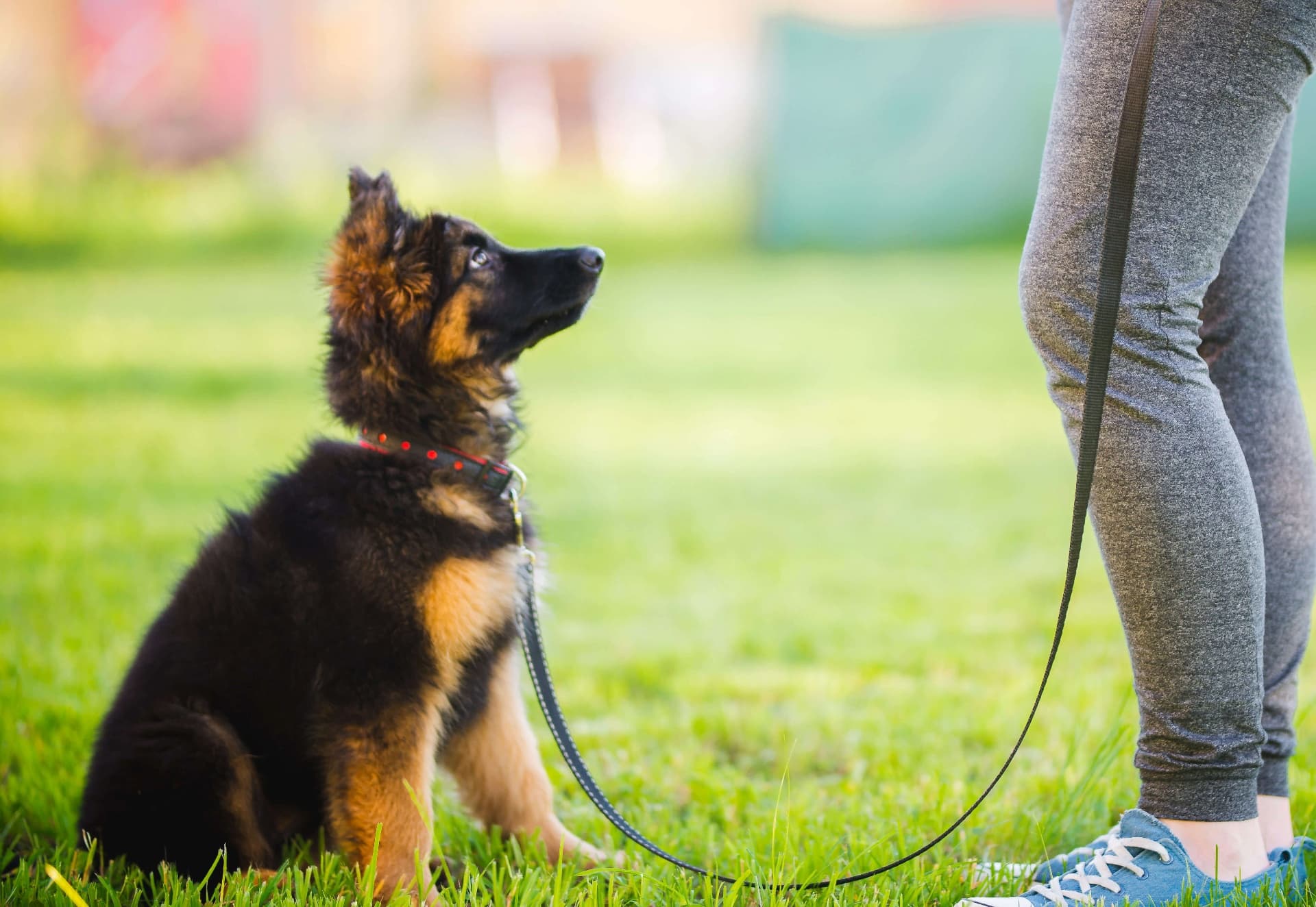
Dog training services in London
Types of dog training
Dog training in London covers various specialisms depending on your dog's age and your goals. Puppy training focuses on socialisation, basic commands, and building good habits from the start. Obedience training teaches reliable recall, loose-lead walking, and impulse control. Behaviour modification addresses specific issues like reactivity, separation anxiety, or fear-based behaviours. Some trainers specialise in gundog work, agility, scent work, or competition training. Sessions range from one-to-one home visits to group classes and intensive residential programmes.
What to look for in a dog trainer
Professional dog trainers should use evidence-based, positive reinforcement methods, rewarding desired behaviours rather than punishing unwanted ones. Check their qualifications and any professional memberships. Experience with your specific issue or dog type matters: a puppy trainer may not be the best choice for serious behavioural problems. Read Google reviews for feedback on their communication, results, and whether owners felt supported throughout the process.
Who benefits from professional training
Puppy owners benefit from early training to establish good habits and prevent future problems. Dogs with specific behavioural issues (reactivity, anxiety or aggression) often need professional intervention. First-time dog owners gain confidence and skills to manage their dog effectively. Busy owners who struggle to find consistent training time may benefit from structured programmes. Even well-behaved dogs can enjoy learning new skills through trick training or dog sports.
Finding the right fit
Pawthority lists highly rated dog training specialists across London. The directory lets you browse by borough to find trainers operating in your area, then compare profiles showing their services, experience, and customer reviews. Each listing links directly to the specialist's contact details (phone, website or Google profile), so you can discuss your training goals before booking.
Common considerations
Training is most effective when owners commit to practising between sessions, so expect homework. Be honest about your dog's issues when contacting trainers so they can confirm their expertise matches your needs. Group classes suit social dogs learning basic skills, while reactive or anxious dogs often need one-to-one sessions first. Consider the trainer's location and whether they offer home visits, as training in your dog's environment can be particularly effective for behaviour issues.
Dog training by borough
Choose a borough to see the dog trainers listed there.
Frequently asked questions
Common questions about dog training in London.
How much does dog training cost in London?
Dog training in London typically costs £80–£125 per hour for one-to-one sessions, though prices vary depending on the trainer's experience and location. Group classes are more affordable, usually ranging from £15–£30 per session. Many trainers offer package deals for multiple sessions, which can reduce the overall cost if your dog needs ongoing work. Contact trainers directly for a quote based on your dog's needs.
What's the difference between group classes and one-to-one training?
Group classes are ideal for socialisation and teaching basic obedience in a distraction-filled environment, which is great for puppies and dogs that need to learn to focus around other dogs. One-to-one training gives your dog the trainer's full attention and is better suited to specific behavioural issues, reactive dogs, or owners who prefer a tailored programme. Many trainers recommend starting one-to-one and transitioning to group classes once the basics are solid.
How many sessions will my dog need?
Most dogs show noticeable progress within four to six sessions, but the total number depends on your dog's age, temperament, and what you're working on. Basic obedience typically requires fewer sessions than behaviour modification for reactivity or aggression. Consistency at home between sessions matters just as much as the training itself because dogs learn through repetition.
What should I look for in a dog trainer?
Look for a trainer accredited by a recognised body such as the APDT (Association of Pet Dog Trainers) or one who holds a qualification from the IMDT or COAPE. Accreditation means they've met professional standards and follow a code of conduct. Beyond credentials, ask about their experience with your dog's breed or specific issue, and ensure their approach is transparent and positive.
What training methods should a good trainer use?
A reputable trainer should use force-free, reward-based methods, reinforcing the behaviours you want rather than punishing the ones you don't. Avoid trainers who rely on choke chains, prong collars, or aversive techniques, as these can increase anxiety and worsen behavioural problems. The RSPCA and most professional bodies now recommend positive reinforcement as the gold standard for dog training.
Can a dog trainer help with reactive or aggressive behaviour?
Yes, many professional trainers specialise in reactivity and aggression. These cases typically require one-to-one sessions and a structured behaviour modification programme rather than standard obedience classes. If your dog has shown aggression towards people or other animals, look for a trainer with specific experience in this area. Some cases may also benefit from a referral to a clinical animal behaviourist.
When should I start training my puppy?
You can start basic training as soon as your puppy comes home, usually around eight weeks old. Simple commands like sit, stay, and recall can be introduced straight away using short, positive sessions. Puppy classes are typically open to dogs from around 12 weeks (usually one week after their second vaccination) and are a great way to combine socialisation with early training during a critical developmental window.
Explore other pet services
Find trusted professionals for all your pet care needs.
Ready to find a dog trainer?
Select your area to see local dog trainers.