Pawthority
Dog training in London

Find trusted dog trainers in Haringey

2 screened dog trainers in Haringey. Compare them here, then contact them from their profile.

Google rating
5.0
Dog training in Haringey

2 dog trainers in Haringey

Ordered by Google rating, then number of reviews.

  1. Andrea Biella

    Rated 5.0 out of 5 from 34 Google reviews

    Wood Green

    • One-to-one lessons
    • Reactive dogs
    • In-home behaviour lessons
  2. Baywood Dog Training

    Rated 5.0 out of 5 from 6 Google reviews

    • One-to-one training
    • Reward-based methods
    • Pet sitting at home

New listings on Pawthority need a Google rating of 4.5 or higher, at least 5 Google reviews and a review from the last 12 months.How screening works

Dog training in nearby boroughs

These are listed in neighbouring boroughs. Ask them whether they cover Haringey.

About dog training in Haringey

Haringey, London

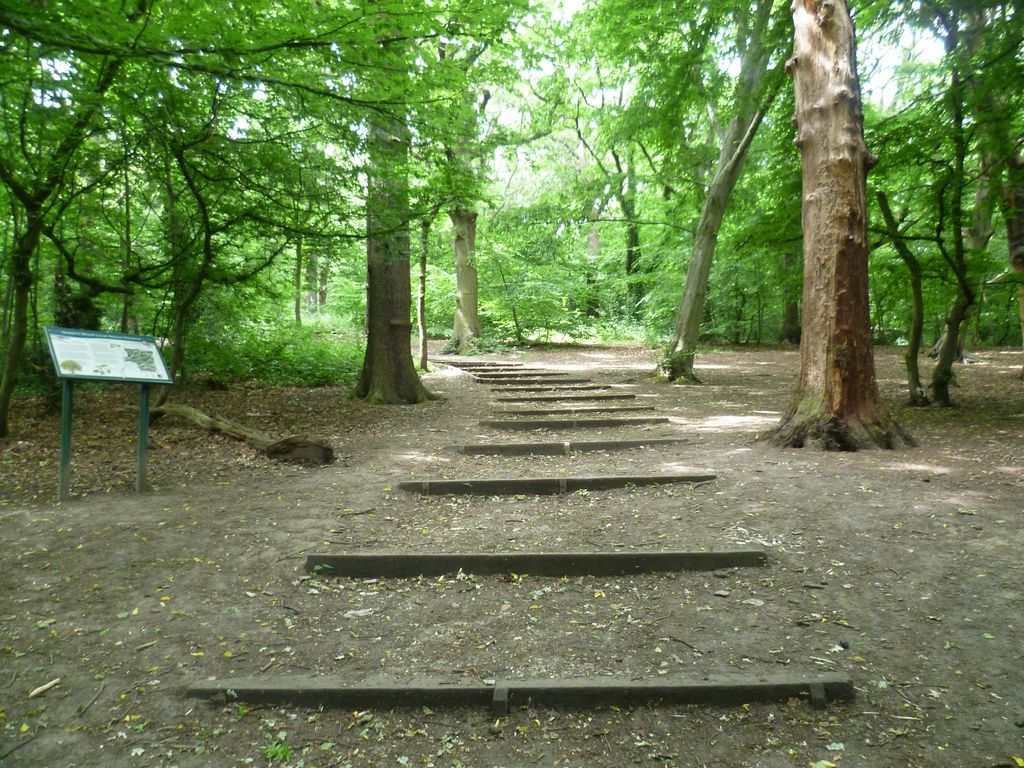
A lot of training can happen at home, but recall and other off-lead work usually means going to a park. In Haringey, that rules out Alexandra Park, because its byelaws say dogs have to stay on a lead there. So ask your trainer where they'd take your dog for that part of the training.

Areas covered

  • Wood Green
  • Tottenham
  • Tottenham Hale
  • Seven Sisters
  • Bruce Grove
  • Northumberland Park
  • Muswell Hill
  • Crouch End
  • Hornsey
  • Highgate
  • Stroud Green
  • Harringay
  • Bounds Green
  • Alexandra Park
  • Fortis Green
  • Noel Park
  • West Green
  • White Hart Lane

Questions about dog training

How much does dog training cost in London?

Dog training in London typically costs £80–£125 per hour for one-to-one sessions, though prices vary depending on the trainer's experience and location. Group classes are more affordable, usually ranging from £15–£30 per session. Many trainers offer package deals for multiple sessions, which can reduce the overall cost if your dog needs ongoing work. Contact trainers directly for a quote based on your dog's needs.

What's the difference between group classes and one-to-one training?

Group classes are ideal for socialisation and teaching basic obedience in a distraction-filled environment, which is great for puppies and dogs that need to learn to focus around other dogs. One-to-one training gives your dog the trainer's full attention and is better suited to specific behavioural issues, reactive dogs, or owners who prefer a tailored programme. Many trainers recommend starting one-to-one and transitioning to group classes once the basics are solid.

How many sessions will my dog need?

Most dogs show noticeable progress within four to six sessions, but the total number depends on your dog's age, temperament, and what you're working on. Basic obedience typically requires fewer sessions than behaviour modification for reactivity or aggression. Consistency at home between sessions matters just as much as the training itself because dogs learn through repetition.

What should I look for in a dog trainer?

Look for a trainer accredited by a recognised body such as the APDT (Association of Pet Dog Trainers) or one who holds a qualification from the IMDT or COAPE. Accreditation means they've met professional standards and follow a code of conduct. Beyond credentials, ask about their experience with your dog's breed or specific issue, and ensure their approach is transparent and positive.

What training methods should a good trainer use?

A reputable trainer should use force-free, reward-based methods, reinforcing the behaviours you want rather than punishing the ones you don't. Avoid trainers who rely on choke chains, prong collars, or aversive techniques, as these can increase anxiety and worsen behavioural problems. The RSPCA and most professional bodies now recommend positive reinforcement as the gold standard for dog training.

Can a dog trainer help with reactive or aggressive behaviour?

Yes, many professional trainers specialise in reactivity and aggression. These cases typically require one-to-one sessions and a structured behaviour modification programme rather than standard obedience classes. If your dog has shown aggression towards people or other animals, look for a trainer with specific experience in this area. Some cases may also benefit from a referral to a clinical animal behaviourist.

When should I start training my puppy?

You can start basic training as soon as your puppy comes home, usually around eight weeks old. Simple commands like sit, stay, and recall can be introduced straight away using short, positive sessions. Puppy classes are typically open to dogs from around 12 weeks (usually one week after their second vaccination) and are a great way to combine socialisation with early training during a critical developmental window.

Dog training across London

25 boroughs
Enfield, not listed yet Harrow, not listed yet Waltham Forest, not listed yet Hillingdon, not listed yet Redbridge, not listed yet Hounslow, not listed yet City of London, not listed yet Barking & Dagenham, not listed yet

Train dogs in Haringey?

If you meet the screening rules, you may already be listed. Claiming your listing is free, with no commission and no paying for leads.

Claim your listing