 Pawthority
About dog training in Tower Hamlets
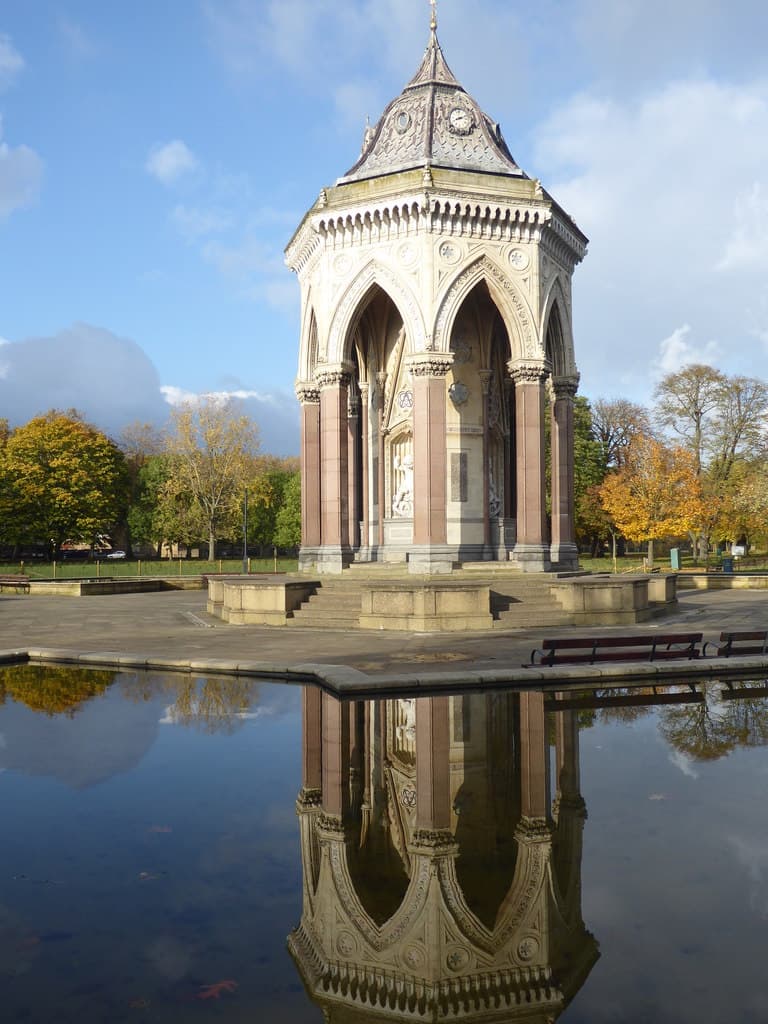
Tower Hamlets is one of London's youngest and fastest-growing boroughs, with a population of over 310,000 and an average age of around 32. Housing is heavily apartment-led and high-density across the borough, from the new-build towers of Canary Wharf and the Isle of Dogs to the converted Victorian terraces of Bethnal Green and Bow, and the vast majority of dogs here live without private outdoor space. That combination of young professional owners, compact living environments and limited garden access creates a very specific and consistent demand for training that works in shared hallways, on lead across estate walkways and in the busy parks that serve as the primary outdoor space for thousands of households. Victoria Park and Mile End Park are the borough's main green anchors, but both attract significant crowds throughout the year, which means the skills dogs need most in Tower Hamlets are exactly the ones that are hardest to develop when their training environment is already full of distractions.
Common behaviour challenges
The training requests that come up most consistently in Tower Hamlets reflect the pressures of high-density flat-based ownership. Under-stimulation indoors is a recurring theme, particularly for dogs in newer apartment buildings where walks are the primary source of mental and physical outlet and any gaps in routine quickly manifest as restlessness or destructive behaviour. Separation anxiety is closely related and persistently cited by local trainers, with the borough's young professional demographic often managing hybrid or long office-day schedules that leave dogs alone for unpredictable stretches. Lead reactivity on crowded pavements is among the most commonly reported challenges, as the sheer intensity of street life in areas like Whitechapel, Bethnal Green and the Isle of Dogs can quickly overwhelm dogs that have not been gradually introduced to urban environments. Recall in busy parks is a consistent focus, and puppy socialisation in high-density residential settings, including lifts, communal entrances and estate areas, is a practical challenge that comes up regularly for first-time owners across the borough. Tower Hamlets' own dog-control records point to a continuing need for better public-space manners, including reliable response to lead requests and staying out of gated exclusion zones.
Popular training locations
Victoria Park is Tower Hamlets' flagship training venue, with lakes, open lawns, cafes and a steady flow of runners, cyclists and other dogs that make it simultaneously one of the best and most demanding spaces for recall and lead-manners work in east London. The park's consistent visitor numbers mean there is almost always a useful level of distraction to work with, and trainers who know it well can move between quieter corners and busier paths depending on what a dog needs at any given stage. Mile End Park runs as a long linear green space with varied habitats and wide paths that suit distraction training and progressive recall work in a more structured urban setting. The variety of environments within a single route makes it useful for dogs that need gradual exposure to different kinds of stimuli without being overwhelmed. Tower Hamlets Cemetery Park provides a completely different atmosphere, with wooded paths, minimal foot traffic and a quiet natural environment that is well-suited to focus work, scent distraction and confidence-building with nervous or reactive dogs. Mudchute Park and Farm on the Isle of Dogs offers open green space alongside farm animals and a cafe, giving owners a distinctive venue for calm exposure and socialisation around unusual sights and sounds. Weavers Fields serves as a practical local option for short, structured lead-walking drills and everyday obedience work in one of the borough's more densely built areas.
Local requirements and standards
Tower Hamlets operates borough-wide dog-control measures that allow off-lead exercise in parks and green spaces while adding clear rules around fouling, lead control and exclusion zones. Dogs must be excluded from all gated children's play areas and gated sports areas, and must be put on lead when requested by an authorised officer. The borough enforces a maximum of four dogs per walker unless a professional dog-walking licence is held, and failing to clear up after a dog can result in a Fixed Penalty Notice. When choosing a trainer, ABTC registration is the most important single credential to verify, confirming independently assessed professional standards and a commitment to humane, evidence-based practice. IMDT and APDT membership both signal assessed, current training practice rather than self-certification, and a clear commitment to force-free, reward-based methods is particularly important in a densely urban borough where anxious and reactive dogs are common. Canine first aid certification is worth confirming for trainers working in larger open spaces like Victoria Park and Mile End Park. Useful questions to ask include which professional body the trainer is registered with and whether that can be verified online, whether they use any aversive tools or punishment-based techniques, and whether they have specific experience helping dogs with flat-living, separation anxiety or urban reactivity.
Neighbourhood insights
Canary Wharf and the Isle of Dogs generate the strongest and most consistent training demand in the borough, combining a large concentration of new-build flats, young professional owners and dense estate walking routes where lead manners and calm public behaviour matter every day. The relative isolation of the Isle of Dogs and the particular intensity of its urban environment make trainers with genuine local knowledge especially valuable here. Bethnal Green and Bow form a major secondary demand area, with high density, a large renting population and easy access to Victoria Park and Mile End Park that makes puppy life-skills and urban-walking support especially relevant. The community across these wards is varied and engaged, and both group classes and home-visit sessions find a ready audience. Whitechapel and Stepney generate steady demand from first-time owners in flats and converted buildings whose dogs need practical help managing lifts, communal entrances and the pace of some of the busiest streets in east London. Home-visit training is particularly valued in these areas, where working on the actual environments an owner uses every day produces faster and more transferable results than any park-based session alone.
Seasonal considerations
Summer makes Tower Hamlets' parks significantly more challenging for structured training. Victoria Park in particular is heavily used for outdoor events, picnics and weekend walks throughout the warmer months, and the crowds and activity levels make recall and settle work harder and more valuable at the same time. Trainers who know the park well typically plan around its busiest periods rather than competing with them, and early morning sessions remain the most productive option for focused work regardless of season given how consistently well-used the park is. Winter brings shorter daylight hours and more wet weather that pushes owners toward shorter after-work walks and more home-based or estate-area training. The borough's indoor and communal spaces become more central to daily dog life during darker months, and demand for in-home behaviour support and separation anxiety programmes tends to increase through autumn and winter as owners and dogs spend more time together in compact living spaces.
Areas covered
- Canary Wharf
- Isle of Dogs
- Bethnal Green
- Bow
- Whitechapel
- Stepney
- Poplar