 Pawthority
About dog walking in Tower Hamlets
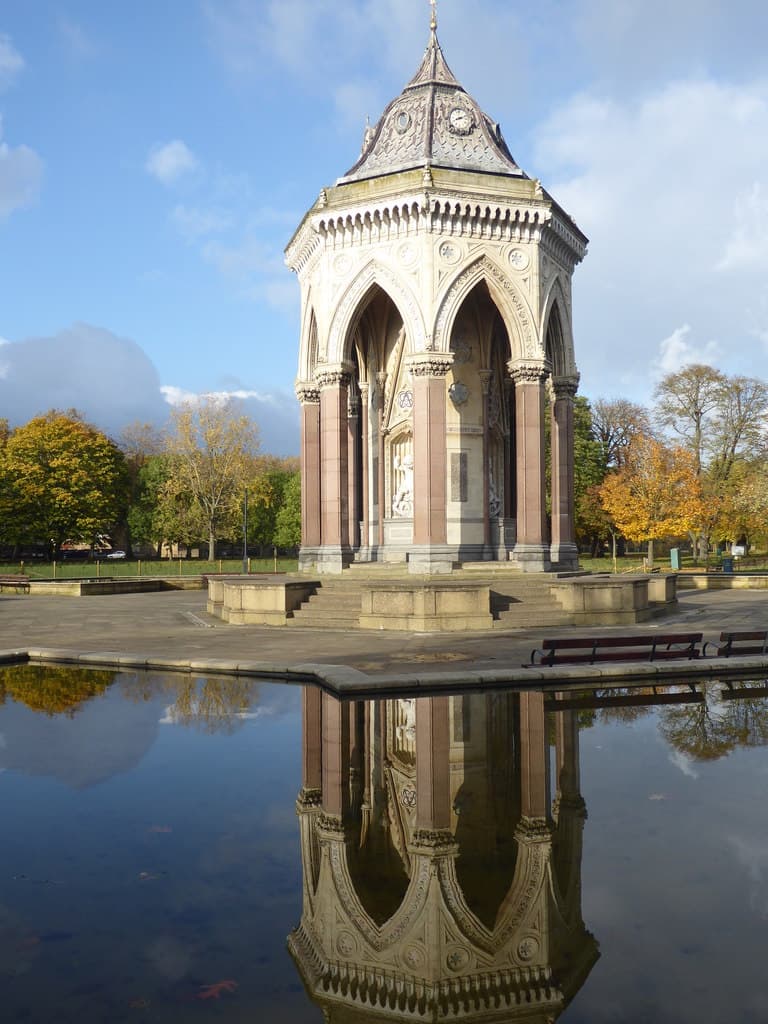
Tower Hamlets is the densest of the London boroughs and one of the most distinctive places to operate as a professional dog walker. The borough runs from the City fringe at Aldgate through to Canary Wharf and the Isle of Dogs, taking in Bethnal Green, Bow, Mile End and Poplar along the way. The population leans young, with a median age in the early thirties, and the housing stock is dominated by high-rise estates, converted warehouse flats and modern tower blocks. Almost no household here has a private garden, and the working culture is split between the City and Canary Wharf finance corridors, the creative industries clustered around Shoreditch and Bethnal Green, and a substantial hybrid-working professional base.
That combination of dense vertical living and long working hours is the single biggest driver of dog walking demand here. Owners are typically out of the home for the full working day, often unable to bring a dog into the workplace and equally unable to provide outdoor space at home. Professional walking is rarely a convenience in Tower Hamlets, it is a structural part of how dogs get exercised, and that shapes the local market in a particular way. Most providers run tight, frequent schedules with short pickup windows from tower-block entrances, and small carefully matched groups dominate the working day rather than the larger pack walks more common in the green outer boroughs.
Typical dog profiles and walking patterns
The most common profile in Tower Hamlets is a flat-dwelling companion dog or smaller rescue, paired with a young professional, hybrid worker or working family whose schedule makes a midday walk impossible without help. French Bulldogs, smaller crossbreeds and city-suited rescues dominate the high-rise market across Canary Wharf, Bow and Bethnal Green, and these dogs generate steady demand for shorter midday solo walks and puppy visits. Terraced pockets through Bow, Stepney and parts of Bethnal Green host a smaller share of more energetic family dogs, including Terriers and similar working breeds, that generate longer route-based group walks toward Victoria Park.
Group walks of three to four dogs are the most common product, with the borough's licensing structure adding an important nuance. The borough cap sits at four dogs per person without a licence, with up to six dogs allowed for licensed professional walkers under the £240 annual licence scheme running from April 2026. In practice, most local walkers operate well within either limit, both for control and because the busy parks and tight pickup logistics of the borough make smaller groups easier to manage. Solo walks make up a meaningful share of demand, particularly for reactive dogs and puppies still building confidence on busy urban routes. Most local walkers will want to meet a new dog and ask carefully about temperament, recall and tolerance for other dogs before agreeing to fold them into an existing group.
Popular walking locations
Victoria Park is the standout green space in the borough and one of the most heavily used parks in inner London, with two hundred and seventeen acres of open land, a lake, regency-era pavilions and a steady flow of dog walkers, joggers and families across the working day. The park sits across the Tower Hamlets and Hackney boundary, with most of it falling within Tower Hamlets, and the borough's licensing rules apply to commercial walking. Off-lead access is allowed across most of the park, with standard exclusions around the playgrounds, formal gardens and marked sports areas.
Tower Hamlets Cemetery Park gives walkers a completely different feel, with overgrown Victorian woodland, ivy-covered graves and quieter paths that suit reactive dogs or those that prefer woodland to open meadow. The site has nature conservation status and lead requirements apply across the more sensitive zones, but for walkers operating in Bow and Mile End it offers a useful alternative when Victoria Park is too crowded. Mile End Park runs as a long green corridor through the centre of the borough, with the ecology centre and the climbing wall both adding character, and lead requirements apply around the marked sports pitches. The Regent's Canal towpath links Bethnal Green through to Limehouse and on toward Mile End, and gives walkers a long urban waterside route, though leads are required near roads and busy crossings and cyclist traffic shapes how the towpath can realistically be used for group walks. Weavers Fields offers a smaller open space in the heart of Bethnal Green with the standard playground exclusions, and Trinity Green provides a residential green in Poplar with estate-related lead requirements.
Local requirements and standards
Tower Hamlets operates a borough-wide Public Spaces Protection Order requiring all dog fouling to be cleared immediately, with fixed penalty notices set at £100 and standard escalation to court fines for serious or repeated breaches. The borough caps walks at four dogs per person without a licence, with a six-dog licence available under the £240 annual professional walker scheme from April 2026. Dogs are banned from gated children's play areas and marked sports pitches, and authorised officers can require dogs to be put on lead near roads, on housing estates and in any zone where they are causing nuisance, with leads capped at two metres in length where lead requirements apply. Off-lead access is allowed across most of the borough's parks and open spaces, but professional walkers operating across multiple sites need to know the specific lead and access rules for each location.
Beyond the rules, the markers of a properly set up dog walker in Tower Hamlets are the same as elsewhere in London. Public liability insurance is essential because it covers accidents, damage and incidents involving other dogs or members of the public, and the borough's licence scheme requires evidence of insurance as part of the application. Most reputable insurers tie cover to a stated maximum group size that aligns with either the four-dog cap or the six-dog licence. A DBS check matters because walkers routinely hold keys and enter homes unaccompanied, and that is the dominant pickup pattern across the borough's high-rise estates and converted flats. Pet first aid training is the other meaningful credential, particularly for walkers using the canal towpath, the busier sections of Victoria Park and the urban routes where heat stress, paw injuries and the occasional water or road incident are all more likely than on quieter suburban paths. Membership of a professional body such as NARPS UK, willingness to share references, and a clearly stated cap on group size are all reasonable things to ask about before booking. In Tower Hamlets specifically, asking whether a provider holds a current six-dog licence is also worth doing if a larger group walk is being booked.
Neighbourhood insights
Bethnal Green generates a high concentration of demand from working-age renters and creative professionals living in tower blocks and converted period housing. The proximity to Weavers Fields and the wider Victoria Park area supports both shorter midday solo walks and longer group bookings, and puppy socialisation walks are particularly common here, with first-time owners in flats often turning to professional walkers for both exercise and structured social contact for younger dogs. Canary Wharf and the Isle of Dogs generate a different pattern, with executive flats and high-rise developments driving a heavy concentration of midday solo cover and lunch-hour group walks tied to short pickup windows from tower entrances.
Poplar shares the Canary Wharf high-rise profile around the DLR network, with steady demand from estate-based households and a flow of midday cover bookings throughout the working day. Bow sits between the heavy density of the southern corridors and the more residential character of Mile End, with a mix of solo and group bookings supporting walkers who can build longer routes into Victoria Park or the Cemetery Park. Wapping and Limehouse generate steadier riverside flat-based demand with shorter solo cover the dominant product. Across all of these areas, the underlying driver is the same: a working week long enough that even owners surrounded by canals and parks need a reliable hand in the middle of the day, made more concentrated by the borough's almost complete absence of private garden space.
Seasonal considerations
Tower Hamlets parks fill quickly in good weather, and the festival and events calendar at Victoria Park can make group walks significantly harder to manage through the summer months. Good local walkers tend to push group walks earlier in the morning or shift toward Tower Hamlets Cemetery Park and Mile End Park when the central spaces get too crowded. Heat stress is a real concern on the more exposed sections of Victoria Park and the canal towpath, and walkers covering the borough properly will adjust pace, distance and route choice through the warmer months rather than running their usual schedule unchanged. The canal gives walkers useful water-side options on hot days, though footfall and cyclist traffic both shape how those routes can realistically be used for group walks.
Winter brings the opposite challenge. Shorter afternoons push group walks earlier in the day, and Thames fog can reduce visibility along the canal towpath enough that walkers will sensibly route group walks away from the water on poor mornings. The better-lit paths through Mile End Park and the residential loops around Bethnal Green pick up much of the load when the bigger spaces are too wet or too dark to use cleanly. Good local walkers will keep a set of well-lit backup routes for the days when the main spaces are difficult, and the rollout of the borough's professional walker licence scheme from April 2026 also means walkers should keep an eye on signage and council communications rather than working from a fixed mental map of where the rules apply.
Areas covered
- Bethnal Green
- Bow
- Mile End
- Canary Wharf
- Isle of Dogs
- Poplar
- Wapping