 Pawthority
Find dog walkers in London
Compare dog walking providers across London. View detailed profiles with clear information about services offered and experience.
All listed specialists are highly rated on Google. Free to use, with no booking or platform fees.
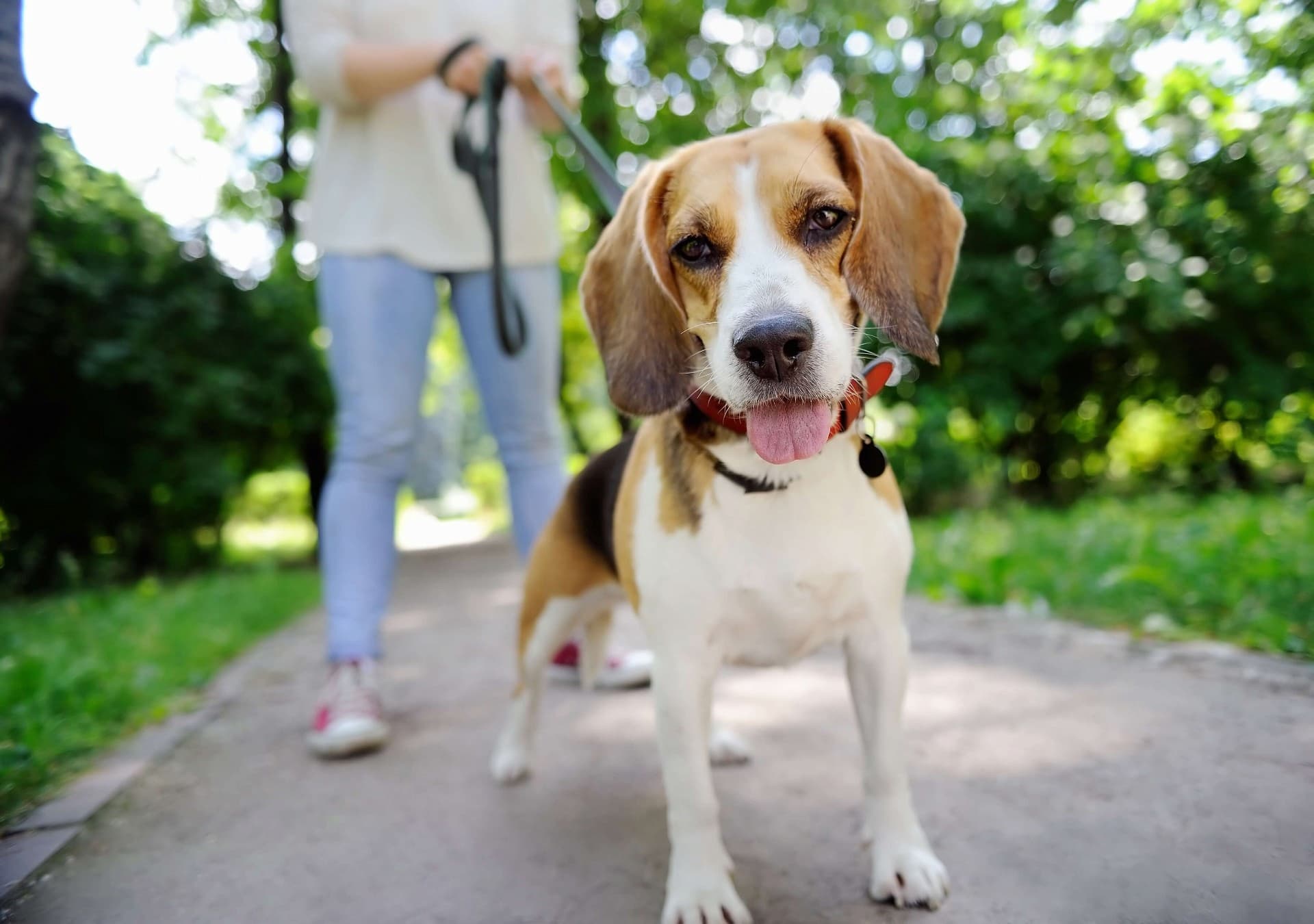
Dog walking services in London
Finding a reliable dog walker in London is one of the most important decisions a dog owner makes. Whether you need daily midday cover during a long commute, extra support for a high-energy breed that needs more exercise than you can provide, or a gentle routine for an older dog whose needs have changed, the right walker makes a genuine difference to your dog's wellbeing and your peace of mind. London has a large and varied market of professional dog walkers, from sole traders who build long-term relationships with a small number of dogs to established businesses covering multiple boroughs with teams of experienced walkers. Pawthority lists highly rated providers across London so you can compare local walkers, check their Google ratings and find someone whose experience and approach suit your dog.
Types of dog walking
Dog walking in London takes several forms, and understanding the differences helps you choose the right format for your dog.
Solo walks provide one-to-one attention for the full session, with no other dogs present. This suits nervous, reactive or elderly dogs, dogs that are still in training, or dogs that simply do better with focused human company than in a group setting. Solo walks tend to cost more than group walks but offer a level of individual care and flexibility that is worth the premium for the right dog.
Group walks involve a small number of compatible dogs walking together, typically between two and six, with a single walker managing the group. A well-run group walk provides socialisation alongside exercise and tends to be the more affordable option for confident, sociable dogs. The quality of a group walk depends heavily on how well the walker matches dogs by size, temperament and energy level, which is worth asking about before booking.
Adventure walks take dogs to larger green spaces, commons or parks for extended exercise beyond the immediate neighbourhood. These longer outings suit high-energy breeds that need more than a local pavement circuit to feel properly exercised. Puppy walks are shorter, age-appropriate sessions designed to build stamina and confidence gradually without overloading young joints. Gentle walks for older or post-operative dogs prioritise comfort and routine over distance or pace.
What to look for in a dog walker
There is no mandatory government licensing for dog walkers in the UK, which means the checks you do yourself matter. The most important things to verify before booking are public liability insurance, a current DBS criminal record check and a pet first aid certificate. Membership of a professional body such as NARPS UK, the National Association of Registered Pet Sitters, indicates a walker who has committed to a recognised standard of practice and carries appropriate insurance.
Beyond credentials, practical questions are worth asking before any commitment. How many dogs does the walker take out at once, and what is their policy on group composition? Do they offer key collection, and if they transport dogs by vehicle, is that vehicle appropriately fitted? How do they communicate with owners during and after walks, and what is their process if a dog becomes unwell or an incident occurs during a walk? A walker who answers these questions clearly and confidently is one who has thought carefully about how they operate.
A meet-and-greet or trial walk before committing to regular bookings is standard practice among professional walkers and gives you the chance to see how the walker handles your dog and how your dog responds to them before any ongoing arrangement begins.
Who benefits from professional dog walking
Professional dog walking is most commonly associated with busy owners who need midday cover during working hours, but the reasons London dog owners use professional walkers are more varied than that. Working breeds (Spaniels, Collies, Retrievers and similar high-energy dogs) often need more exercise than owners can realistically provide alongside full-time work, and a professional walker fills that gap reliably. Dogs with separation anxiety benefit from a midday visit that breaks up the time alone and provides meaningful stimulation during the day. Elderly owners or those with mobility limitations rely on professional walkers to maintain their dog's routine when managing every walk themselves is not possible. Puppies benefit from consistent exercise schedules during their development months, and households with multiple dogs sometimes need additional support managing different energy levels and exercise needs simultaneously.
Dog walking by borough
Choose a borough to see the dog walkers listed there.
Frequently asked questions
Common questions about dog walking in London.
How does Pawthority select the dog walkers listed on this page?
Pawthority lists dog walking businesses that meet our listing rules: a Google rating of 4.5 or more from at least 5 reviews, with the latest review from the last 12 months. Listed walkers stay while their rating is 4.3 or more, and we only show dog walking where the business's own website or pages show it. The directory is free for owners and free for walkers to appear in. Paying will never decide who is listed or the order they appear in, and any paid placement will be clearly labelled as featured.
How many dogs will my dog be walked with?
Most professional dog walkers in London offer both group walks and solo walks. Group walks typically include between two and six dogs, while solo walks mean your dog gets one-to-one attention for the full session. If your dog is nervous, reactive or simply does better with fewer dogs around, a solo walk is usually the better starting point. Always ask a prospective walker what their maximum group size is before booking.
What should I check before hiring a dog walker?
The most important things to verify are public liability insurance, a current DBS (criminal record) check, and a pet first aid certificate. It is also worth asking whether they are a member of a professional body such as NARPS UK (National Association of Registered Pet Sitters), which requires members to hold insurance and meet basic standards of conduct. References from existing clients and a meet-and-greet before the first walk are both reasonable things to request.
Is dog walking regulated in the UK?
No part of the UK has a national licence for dog walkers, and no qualification is required. Some councils and park owners do license professional walkers on their land: in London, for example, The Royal Parks and Wandsworth both require a licence. Ask a walker whether the parks they use need a licence and whether they hold it, what their insurance covers and how many dogs they walk at once.
What happens if my dog is injured during a walk?
Whoever is walking your dog is responsible for its welfare while it is in their care, and that includes getting it to a vet if it is hurt. Who pays the vet's bill depends on what happened, whether the walker is legally liable and what insurance is in place. Public liability insurance is for injury to other people and damage to their property, and it often excludes the dogs being walked. Care, custody and control cover is separate, and can pay out if your dog is injured, lost or dies in the walker's care and the walker is liable. Ask a walker whether they have it, and agree in advance which vet they would use and how they would reach you in an emergency.
How long should a dog walk be?
Most adult dogs benefit from at least one 60-minute walk per day, though this varies by breed, age and energy level. Many London dog walkers offer both 30-minute and 60-minute sessions: a 30-minute walk is often sufficient as a midday toilet break for calmer or older dogs, while high-energy breeds such as Labradors, Spaniels and Border Collies generally need the full hour to be properly exercised. Your walker should be able to advise on what is appropriate for your dog.
Can I book a dog walker for my puppy?
Most professional walkers are happy to take puppies once they have completed their vaccination course, though many prefer to start with shorter walks while a puppy is still building stamina and confidence. A good walker will assess your puppy individually rather than applying a one-size-fits-all approach, and will discuss how to introduce group walks gradually if your puppy has not spent much time with other dogs.
What is the difference between a group walk and a solo walk?
A group walk means your dog goes out with a small number of other dogs, usually between two and six, which provides socialisation alongside exercise and tends to be the more affordable option. A solo walk means your dog is the only one being walked, which suits dogs that are reactive around other dogs, need closer supervision, or simply prefer human company to canine company. Some walkers also offer paired walks as a middle option for dogs that are not quite ready for a full group but benefit from having one companion.
How do I know my dog is safe during a walk?
Many professional dog walkers in London provide updates during walks, including photos or short videos sent via WhatsApp, so you can see where your dog has been and how they are getting on. It is reasonable to ask any prospective walker how they communicate with clients during walks and what their policy is if a dog becomes unwell or an incident occurs. GPS tracking is offered by some walkers as an additional reassurance, particularly for dogs being walked off-lead in larger parks.
Should I ask for a trial walk before committing to regular bookings?
Yes, and most professional dog walkers will offer one. A trial walk or introductory meet-and-greet gives you the chance to see how the walker handles your dog, how your dog responds to them, and whether their communication style works for you. It is also an opportunity to check practical details like punctuality, how they manage your dog around other dogs, and whether they send updates during the walk. If a walker is reluctant to offer a meet-and-greet before regular bookings begin, that is worth noting.
Explore other pet services
Find trusted professionals for all your pet care needs.
Ready to find a dog walking specialist?
Select your area to see local dog walkers.