 Pawthority
About dog walking in Islington
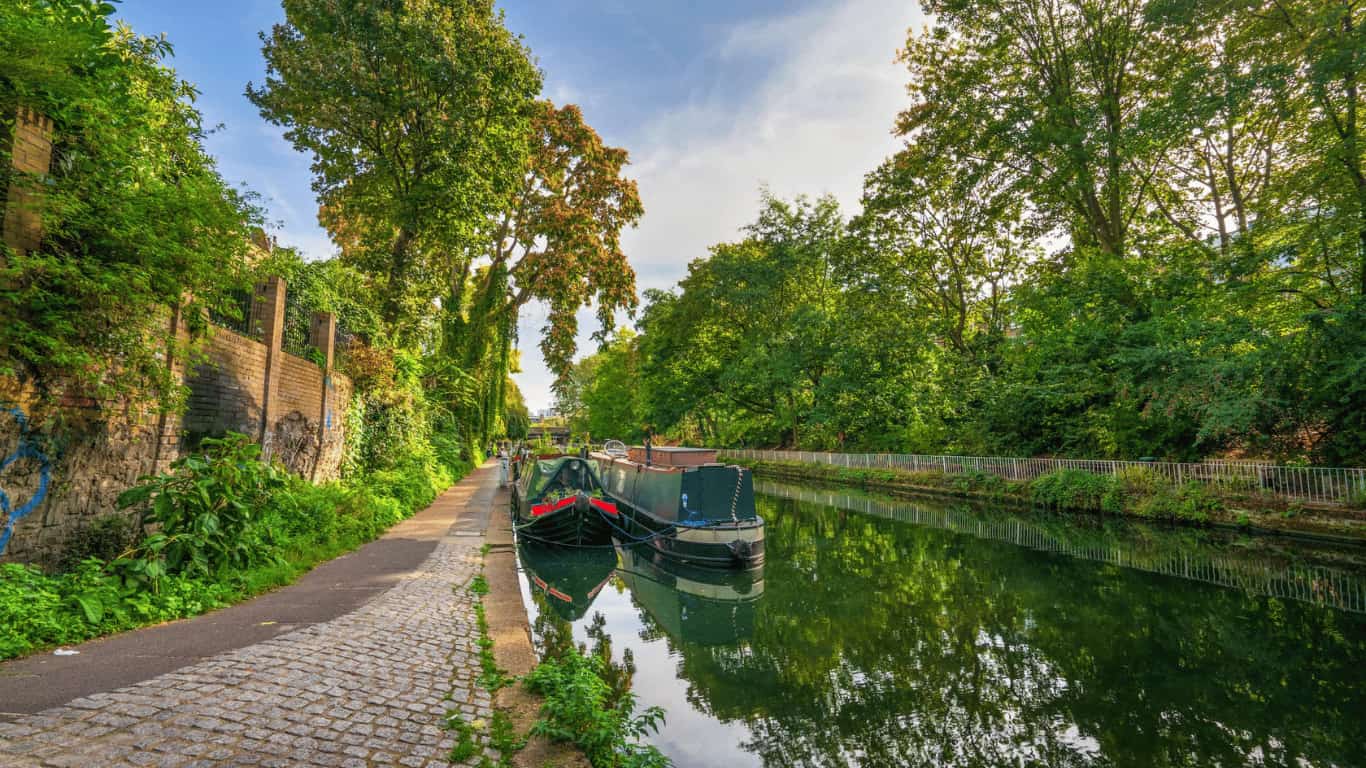
Islington is one of London's most densely populated boroughs, with around 216,000 residents packed into a relatively small area dominated by flats, compact terraces and converted Victorian buildings rather than garden homes. The council manages 127 parks and green spaces across the borough, but the largest continuous open space is Highbury Fields at just under 12 hectares, which means green space here is fragmented into smaller parks and corridors rather than the expansive commons found in outer boroughs. That combination of density, limited private outdoor space and a strongly commuter-oriented demographic creates consistent and predictable demand for professional dog walking: owners who leave early, return late and have no garden to fall back on need reliable weekday cover as a practical necessity rather than a luxury. The Regent's Canal towpath adds a valuable linear walking route through the south of the borough that many local walkers build their rounds around, giving dogs a genuine change of scenery alongside the park-based options.
Typical dog profiles and walking patterns
Islington's housing stock and density point strongly toward flat-dwelling companion dogs, rescue dogs that benefit from routine and structure, and smaller to medium breeds that suit urban living. Around Highbury, Barnsbury and Canonbury you also find more active family dogs in the terraced streets with small gardens, where regular route-based walks rather than one-off weekend outings make up the bulk of walking demand. The dominant pattern across the borough is regular midday solo walks and weekly cover during working hours. Most homes lack private outdoor space, which means dogs depend entirely on their walker for daytime exercise and toilet breaks. Group walks are available and suit confident sociable dogs, but the fragmented nature of Islington's green space and the density of its streets means solo and paired walks are often more practical for the daily routes most walkers use. Local familiarity matters considerably here: a walker who knows which parks have exclusion zones, which towpath sections get congested and which routes work best at different times of day is genuinely more valuable than one who does not.
Popular walking locations
Highbury Fields is Islington's standout dog walking destination, at just under 12 hectares the borough's largest park, with expansive grass areas and a running and walking route that suits both quick weekday exercise sessions and longer weekend outings. It is the park most professional walkers in the borough return to repeatedly and the one most owners have in mind when they think about off-lead time for their dogs. Barnard Park in Barnsbury offers a more compact and enclosed environment with circular paths that suit structured urban sessions and dogs that do better in a quieter setting. Caledonian Park provides a different atmosphere with open areas, wooded edges and a Victorian clock tower that makes it a pleasant and interesting route for dogs that benefit from varied terrain. Whittington Park and Rosemary Gardens both serve as practical neighbourhood options for shorter sessions, particularly useful for walkers covering multiple dogs across the borough in a single morning. The Regent's Canal towpath is one of Islington's most distinctive walking environments, offering a continuous linear route through the south of the borough that provides genuine variety alongside the park circuits and suits dogs that respond well to the calmer, more consistent pace of towpath walking.
Local requirements and standards
Islington's dog Public Spaces Protection Order has been in force since October 2017 and covers three core requirements: clearing up after your dog immediately in all public areas, keeping your dog on lead when instructed by an authorised officer, and not allowing your dog to enter designated dog-exclusion areas. The fixed penalty for fouling is £100, reduced to £60 if paid within ten days, with a court fine of up to £1,000 for non-payment. The borough has a number of clearly defined dog-exclusion areas across its parks and garden squares, including Arlington Square, Gibson Square, Lonsdale Square, Northampton Square and Percy Circus. Several parks also have site-specific exclusions where the main area is dog-free but an adjoining section remains accessible, which makes reading local signage carefully an important habit for professional walkers operating across multiple sites. Dogs are also excluded from children's play areas and formal garden zones across the borough. When choosing a dog walker, the most important checks are public liability insurance, a current DBS criminal record check if the walker collects keys or enters your home, and a pet first aid certificate. Membership of a professional body such as NARPS UK is a useful additional indicator of a walker who operates to a recognised standard. In a borough where the PSPO places significant emphasis on control in public spaces, a clear and honest answer about maximum group size is particularly worth pressing for. Useful questions to ask include how many dogs the walker takes out at once, which Islington parks and routes they use most regularly, and what they do if a dog becomes reactive or unwell on a shared path.
Neighbourhood insights
Highbury and the streets immediately surrounding Highbury Fields generate the strongest and most consistent walking demand in the borough. The combination of dense housing, direct park access and a high proportion of young professional households creates year-round demand for reliable weekday cover, and the park's size and open grass areas make it the natural anchor for most local walking rounds. Angel and Barnsbury are a strong secondary area, with a mix of commuter households, first-time owners in flats and established residents in the slightly larger terraced properties close to Barnard Park. Demand here spans everything from daily midday solo walks to weekly group bookings for more sociable dogs. The Caledonian Road corridor and the areas around Finsbury Park generate steady demand from a younger, more mixed renting demographic where daily walking cover and puppy visits are the most commonly requested services. Home visits and key collection are particularly valued across these areas, where owners need a walker they can trust with access to their flat as well as their dog.
Seasonal considerations
Spring and summer bring noticeably increased activity to Islington's parks, and Highbury Fields in particular becomes significantly busier during warmer months with families, sports users and informal gatherings competing for the same space that walkers rely on for off-lead exercise. The borough's limited overall green space means that crowding during peak periods is a more acute challenge than in outer boroughs with larger commons, and experienced walkers plan their timing and route choices carefully to find quieter windows within busy parks. Winter brings darker evenings and damp towpaths that push walkers toward shorter, better-lit loops around parks like Highbury Fields and Barnard Park rather than the longer canal towpath routes. The fragmented nature of Islington's open space means route rotation is important throughout the year, and walkers who know the borough well enough to vary their circuits across Caledonian Park, Whittington Park and the canal depending on conditions provide a meaningfully better service than those relying on a single fixed route.
Areas covered
- Highbury
- Barnsbury
- Angel
- Caledonian Road
- Canonbury
- Finsbury Park
- Holloway