Pawthority
Dog walking in London

Find trusted dog walkers in Kensington & Chelsea

11 screened dog walkers in Kensington & Chelsea. Compare them here, then contact them from their profile.

Google ratings
4.8 to 5.0
Dog walking in Kensington & Chelsea

11 dog walkers in Kensington & Chelsea

Ordered by Google rating, then number of reviews.

  1. Man’s Best Friend

    Rated 5.0 out of 5 from 191 Google reviews

    Kensington, 7 years in business

    • Eco-friendly focus
    • Curated pet store
    • Husbandry experience
  2. Valentina Petsitting London

    Rated 5.0 out of 5 from 93 Google reviews

    Kensington, 5 years in business

    • Pet first aid
    • Rescue experience
    • Experienced & reliable
  3. Every Pawdy

    Rated 5.0 out of 5 from 59 Google reviews

    Chelsea, 15 years in business

    • Personalised training
    • Canine behaviour expertise
    • Boutique dog walking
  4. Walkies with Luis

    Rated 5.0 out of 5 from 52 Google reviews

    Holland Park, 3 years in business

    • Personalised walks
    • Pet first aid certified
    • Fully insured
  5. Agnes & Pavel

    Rated 5.0 out of 5 from 52 Google reviews

    Notting Hill

    Claimed

    • Small group walks
    • Off-lead exercise
    • DBS checked
  6. The Woof Pack Chelsea

    Rated 5.0 out of 5 from 37 Google reviews

    Chelsea, 5 years in business

    • Small pack walks
    • Post-park wash
    • Training reinforcement
  7. The Furry Dogmother

    Rated 5.0 out of 5 from 25 Google reviews

    Chelsea, 10 years in business

    • Solo dog walking
    • In-home pet sitting
    • Chelsea SW3/SW7
  8. Mark My Territory

    Rated 5.0 out of 5 from 23 Google reviews

    Chelsea, 3 years in business

    • One-to-one walks
    • Reliable care
    • Bond-focused
  9. Kensington Hounds

    Rated 4.9 out of 5 from 78 Google reviews

    Kensington, 7 years in business

    • Group walks
    • Rewards-based training
    • Free consultations
  10. Green Dog Walking

    Rated 4.8 out of 5 from 49 Google reviews

    Chelsea, 10 years in business

    • Small group walks
    • Fully insured
    • GPS tracked walks
  11. Holland Bark Club

    Rated 4.8 out of 5 from 29 Google reviews

    Kensington

    • Small-breed specialists
    • boutique daycare
    • Attentive care

New listings on Pawthority need a Google rating of 4.5 or higher, at least 5 Google reviews and a review from the last 12 months.How screening works

About dog walking in Kensington & Chelsea
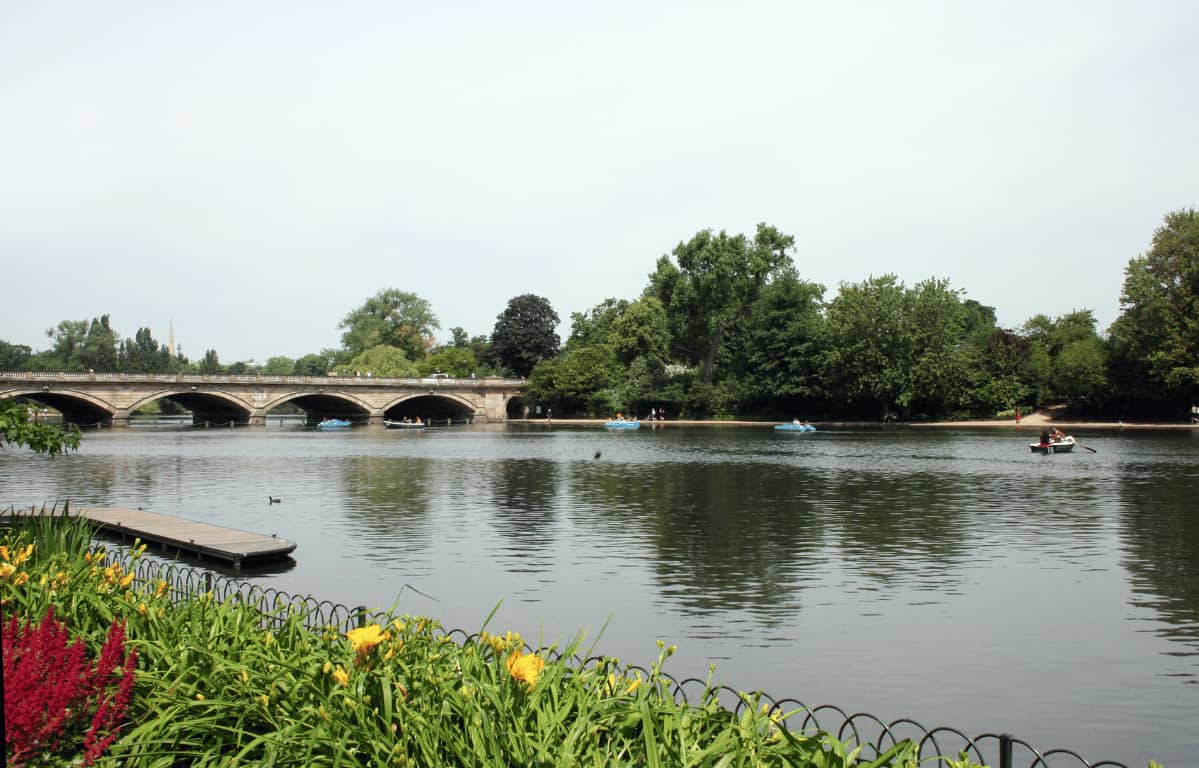
Kensington & Chelsea, London

Kensington & Chelsea is one of London's most demanding environments for dog ownership, with just 4.5 square metres of green space per person compared to a London average of more than 20 square metres. In a borough defined by high-density mansion blocks, converted Victorian terraces and purpose-built flats across Chelsea, Kensington and Notting Hill, private outdoor space is the exception rather than the rule, and the parks and green corridors that do exist carry an enormous amount of daily footfall as a result. That context makes professional dog walking not an occasional convenience but a genuine daily necessity for the majority of dog-owning households. The borough's affluent, career-focused demographic means owners typically want a high standard of reliability and communication from their walker, with consistent weekday cover and clear updates after each outing rather than an ad-hoc arrangement. With 28 parks and around 60 smaller green spaces to work with, professional walkers who know the borough well and can rotate routes intelligently provide a meaningfully better service than those relying on a single familiar circuit.

Typical dog profiles and walking patterns

The dog profile in Kensington & Chelsea skews toward companion breeds and smaller to medium dogs suited to flat living, alongside some higher-energy breeds in the larger properties around Holland Park and the Kensington end of the borough. Many owners are busy professionals or frequent travellers whose dogs need consistent weekday cover regardless of the owner's schedule, which makes reliability and routine the most valued qualities in a walker rather than flexibility or variety. The dominant pattern is regular midday solo walks and reliable weekday group cover, with solo walks particularly in demand for dogs whose owners want individual attention and a predictable routine. Group walks suit confident, sociable dogs but require a walker who is skilled at managing groups in the borough's smaller and more congested green spaces without overwhelming dogs or falling foul of the park-specific rules that apply across the Royal Borough. Client retention tends to be high in this part of London once a good walker is found, because the disruption of changing arrangements in a dense urban environment with limited green space access is significant.

Holland Park is the borough's most versatile walking venue, with peacock woodland, open playing fields and formal garden sections that give walkers genuine variety within a single park. The Kyoto Garden is entirely off-limits to dogs, and dogs must be kept on lead in the formal gardens and woodland sections, but the open areas provide good off-lead space for confident dogs. The park's contained layout and varied terrain make it a practical anchor for many local walking rounds. Kensington Gardens is one of the borough's most significant walking resources at 265 acres, but any commercial dog walking activity there requires an official Royal Parks licence, and groups are limited to four dogs per licensed operator. Walkers working in Kensington Gardens without a licence risk enforcement action, so it is worth confirming any prospective walker's licensing status if they propose using the Gardens regularly. Hyde Park adjoins Kensington Gardens and operates under the same Royal Parks licensing framework. For dogs that need a lower-stimulation environment, the streets around the Chelsea Embankment and the smaller neighbourhood squares provide structured on-lead walking that builds focus and loose-lead skills in realistic urban conditions. The Chelsea Physic Garden area and the surrounding riverside streets are regularly used for on-lead socialisation work and cafe-settling practice given the density of dog-friendly venues in that part of the borough.

Local requirements and standards

The Royal Borough's approach to dog control combines park-specific byelaws and signage with general public spaces enforcement, and the density and sensitivity of the environment means active enforcement is a genuine presence rather than a theoretical possibility. Dogs must be kept on lead in all communal residential areas and walkways, and fouling must be cleared immediately. The Royal Parks, including Kensington Gardens and Hyde Park, require commercial dog walkers to hold a specific licence, and operating commercially in these parks without one is an enforceable offence. Dogs are excluded from the Kyoto Garden in Holland Park, all park playgrounds and formal garden zones across the borough, and designated nature conservation areas. When choosing a walker, public liability insurance is the most important single check, particularly given the density and public nature of the borough's green spaces where incidents involving other dogs, pedestrians or property are more likely than in quieter outer boroughs. A DBS check is essential for any walker who collects keys or enters your home. Pet first aid certification and a clearly stated maximum group size are both worth confirming, as is whether the walker holds a Royal Parks licence if they propose using Kensington Gardens or Hyde Park as part of their regular routes. Useful questions to ask include how the walker manages their group in busy areas like Holland Park, what their specific policy is on off-lead time in the borough's more restricted spaces, and whether they can provide a recent reference from a local client in your neighbourhood.

Neighbourhood insights

Chelsea and Notting Hill generate the strongest walking demand in the borough, combining high-density affluent residential streets, a high proportion of professional and frequently travelling owners, and direct access to Holland Park and the riverside walking routes along the Embankment. Walkers who establish consistent, trusted rounds in these areas typically see strong client retention because the value of a reliable arrangement in a dense urban environment is immediately apparent to owners. Kensington itself, particularly the streets around Holland Park Avenue and closer to the park, sees demand from a slightly larger property profile where higher-energy breeds are more common and longer or more active walks are in demand. Earl's Court and South Kensington are the borough's flat-heavy pockets where midday puppy visits and solo walks for dogs with very limited private outdoor access are in consistent demand. First-time owners and younger professionals in these areas frequently need a walker who can also advise on managing urban dog life more broadly, and walkers with genuine local knowledge of which spaces work best for which kinds of dogs add real value beyond the walk itself.

Seasonal considerations

Summer is the most challenging season for dog walking in Kensington & Chelsea, where the combination of tourist footfall in the Royal Parks, crowding in Holland Park and the heat retained by the borough's dense urban fabric all create practical difficulties. Experienced walkers shift to earlier morning or later evening slots during hot periods to avoid both the heat and the peak crowds, and route management becomes more important than in any other season. Public holidays and busy weekend periods require backup routes that avoid the most congested park areas entirely. Spring and autumn offer more pleasant conditions and remain peak seasons for walking in the borough, with the parks at their most accessible and the weather cooperative enough for varied and longer routes. Winter focuses walking on well-lit residential streets and the main arterial park paths, with the shorter daylight hours and damp conditions making route familiarity and reliable lighting important practical considerations for walkers covering the borough's denser residential areas after dark.

Areas covered

  • Chelsea
  • Kensington
  • Notting Hill
  • Earl's Court
  • South Kensington
  • Holland Park
  • Knightsbridge

Dog walking prices in Kensington & Chelsea

All prices below are approximate and intended as a general guide. Individual walkers set their own rates based on experience, services offered and the specific needs of your dog.

Estimated London price ranges
30-minute group walk (per dog)£12 to £18
60-minute group walk (per dog)£15 to £22
30-minute solo walk£18 to £25
60-minute solo walk£25 to £35
Monthly package (5 days per week)£250 to £400

Each provider sets their own rates. Contact dog walkers directly to confirm current pricing and availability.

Each provider sets their own rates. Contact dog walkers directly to confirm current pricing and availability.

Questions about dog walking

How many dogs will my dog be walked with?

Most professional dog walkers in London offer both group walks and solo walks. Group walks typically include between two and six dogs, while solo walks mean your dog gets one-to-one attention for the full session. If your dog is nervous, reactive or simply does better with fewer dogs around, a solo walk is usually the better starting point. Always ask a prospective walker what their maximum group size is before booking.

What should I check before hiring a dog walker?

The most important things to verify are public liability insurance, a current DBS (criminal record) check, and a pet first aid certificate. It is also worth asking whether they are a member of a professional body such as NARPS UK (National Association of Registered Pet Sitters), which requires members to hold insurance and meet basic standards of conduct. References from existing clients and a meet-and-greet before the first walk are both reasonable things to request.

Is dog walking regulated in the UK?

There is no mandatory government licensing for dog walkers in the UK, which means anyone can legally offer the service regardless of experience or training. That makes it especially important to do your own checks. Insurance, a DBS check and professional body membership are the clearest indicators that a walker takes their work seriously and operates to a recognised standard.

What happens if my dog is injured during a walk?

A professional dog walker with public liability insurance will be covered if your dog is injured or causes damage to a third party during a walk. It is worth asking any prospective walker to confirm the level of their insurance cover and what the process is if an incident occurs. Some walkers also carry pet first aid kits and hold canine first aid certificates, which means they can provide immediate care while veterinary help is arranged.

How long should a dog walk be?

Most adult dogs benefit from at least one 60-minute walk per day, though this varies by breed, age and energy level. Many London dog walkers offer both 30-minute and 60-minute sessions: a 30-minute walk is often sufficient as a midday toilet break for calmer or older dogs, while high-energy breeds such as Labradors, Spaniels and Border Collies generally need the full hour to be properly exercised. Your walker should be able to advise on what is appropriate for your dog.

Can I book a dog walker for my puppy?

Most professional walkers are happy to take puppies once they have completed their vaccination course, though many prefer to start with shorter walks while a puppy is still building stamina and confidence. A good walker will assess your puppy individually rather than applying a one-size-fits-all approach, and will discuss how to introduce group walks gradually if your puppy has not spent much time with other dogs.

What is the difference between a group walk and a solo walk?

A group walk means your dog goes out with a small number of other dogs, usually between two and six, which provides socialisation alongside exercise and tends to be the more affordable option. A solo walk means your dog is the only one being walked, which suits dogs that are reactive around other dogs, need closer supervision, or simply prefer human company to canine company. Some walkers also offer paired walks as a middle option for dogs that are not quite ready for a full group but benefit from having one companion.

How do I know my dog is safe during a walk?

Many professional dog walkers in London provide updates during walks, including photos or short videos sent via WhatsApp, so you can see where your dog has been and how they are getting on. It is reasonable to ask any prospective walker how they communicate with clients during walks and what their policy is if a dog becomes unwell or an incident occurs. GPS tracking is offered by some walkers as an additional reassurance, particularly for dogs being walked off-lead in larger parks.

Should I ask for a trial walk before committing to regular bookings?

Yes, and most professional dog walkers will offer one. A trial walk or introductory meet-and-greet gives you the chance to see how the walker handles your dog, how your dog responds to them, and whether their communication style works for you. It is also an opportunity to check practical details like punctuality, how they manage your dog around other dogs, and whether they send updates during the walk. If a walker is reluctant to offer a meet-and-greet before regular bookings begin, that is worth noting.

Dog walking across London

25 boroughs
Enfield, not listed yet Harrow, not listed yet Waltham Forest, not listed yet Hillingdon, not listed yet Redbridge, not listed yet Hounslow, not listed yet City of London, not listed yet Barking & Dagenham, not listed yet

Walk dogs in Kensington & Chelsea?

If you meet the screening rules, you may already be listed. Claiming your listing is free, with no commission and no paying for leads.

Claim your listing