 Pawthority
About dog training in Richmond upon Thames
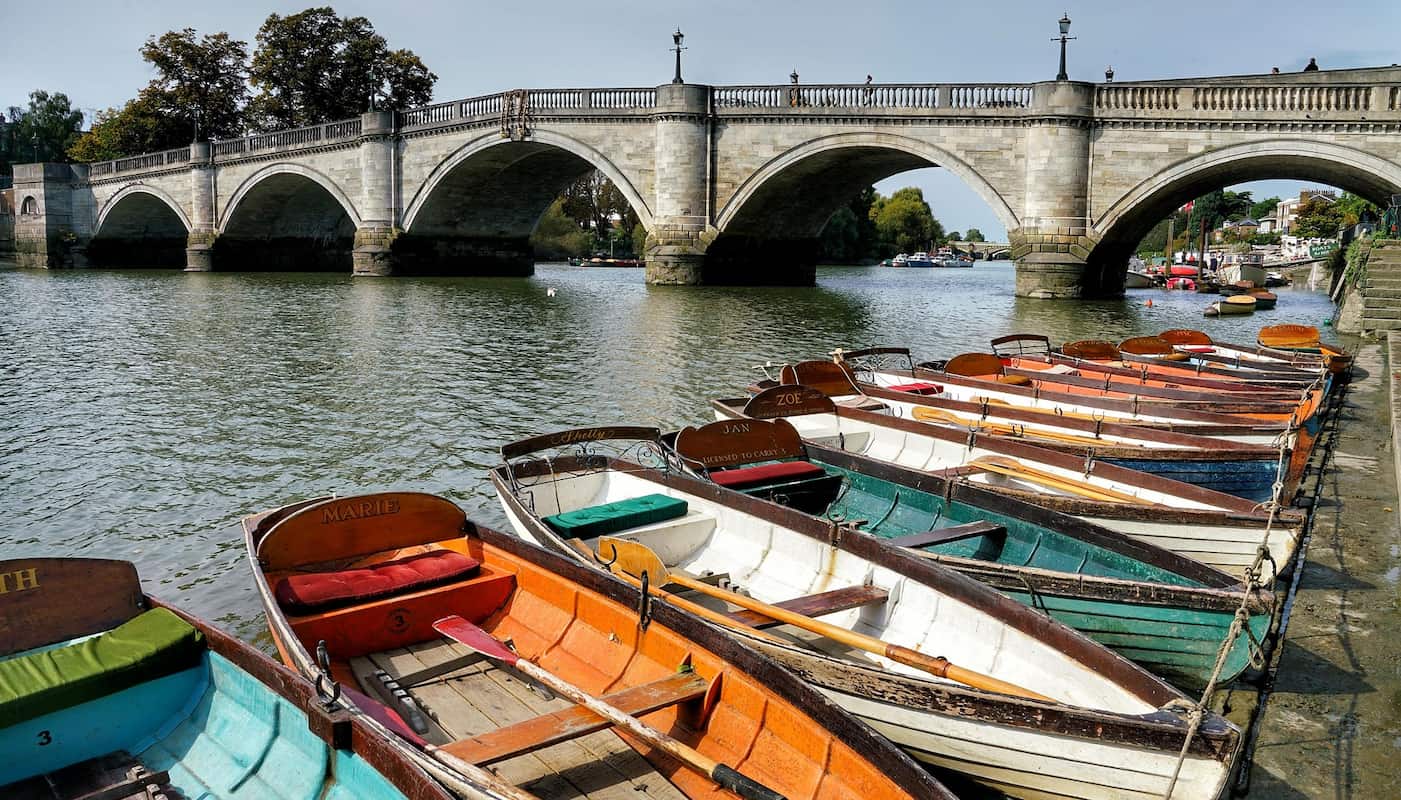
Richmond upon Thames is London's least deprived borough and one of its most distinctive places to own a dog. With a population of just under 200,000 concentrated in large family homes with gardens across Barnes, Kew, East Sheen and Twickenham, the borough combines genuine affluence with access to green space on a scale that is almost unmatched anywhere in London. Richmond Park alone covers 2,500 acres, and the Thames towpath, Ham Common, Petersham Meadows and Marble Hill Park add further variety that makes the borough genuinely exceptional for outdoor exercise and training. That access comes with responsibility, however: Richmond Park's compulsory on-lead season from 1 May to 31 July each year means that dogs without reliable recall are effectively excluded from the park's finest walking areas for three months, which creates a very specific and consistent driver for structured training among owners who want to make full use of what is on their doorstep. In a borough where well-mannered dogs on cafe terraces and common paths are very much the social expectation, the case for investing in proper training makes itself.
Common behaviour challenges
The training requests that come up most consistently in Richmond reflect its affluent, outdoor-focused demographic and the particular demands of its wildlife-rich green spaces. Recall near deer and wildlife is the defining challenge: owners who cannot trust their dog off-lead near deer in Richmond Park lose access to the park's open areas entirely during the summer season, which concentrates demand for reliable recall work in the months leading up to May. Adolescent impulse control in Labradors, Golden Retrievers and Spaniels is the most frequently cited challenge in local trainer listings, as these gundog breeds dominate the borough's breed profile and can become strong-willed and difficult to manage between six and eighteen months without structured support. Loose-lead walking on Richmond's busy high streets and along the Thames towpath is a practical everyday concern for many owners, and separation anxiety is a consistent thread among commuter households travelling from Richmond and Twickenham stations into Waterloo. In the denser residential pockets around St Margarets and Twickenham town centre, where converted flats and newer apartment blocks house a younger owner demographic, puppy socialisation and urban-walking foundations are in steady demand alongside the separation anxiety work that comes with commuter lifestyles.
Popular training locations
Richmond Park is the borough's defining outdoor training venue, and the one that shapes the training calendar more than any other space in the area. At 2,500 acres it offers vast open parkland and ancient woodland for distance recall, scent work and impulse-control exercises at a scale that few London boroughs can match. The compulsory on-lead period from 1 May to 31 July applies across all areas of the park, and dogs are never permitted in the Isabella Plantation regardless of season. Outside the restricted period, dogs must still be kept away from deer at all times, and park rangers can require leads at any point. Ham Common and Ham Lands, adjacent to Richmond Park's Ham Gate, cover 75 acres of woodland, ponds and open meadow where dogs may be off-lead year-round, making them the natural alternative venue during the park's summer restrictions. Petersham Meadows between Richmond Hill and the Thames offers a flat, low-distraction environment that suits early recall work and building calm focus alongside river-path cyclists and walkers. Old Deer Park provides long open sightlines along the riverside between Richmond station and the Thames, well-suited to intermediate off-lead recall and socialisation with the cyclists, rowers and families who use the path regularly. Marble Hill Park in Twickenham, managed by English Heritage, offers sweeping open lawns, mature trees and a cafe that makes it a practical middle-ground venue for socialisation work and practising calm behaviour around families and events.
Local requirements and standards
Richmond's Dog Control Public Spaces Protection Order, currently under consultation for extension to 2029, applies across all publicly accessible land in the borough. Dog fouling carries an £80 Fixed Penalty Notice, reduced to £50 if paid within ten days, with prosecution and a court fine of up to £1,000 possible for non-payment. The PSPO limits any one person to a maximum of four dogs at a time, reduced from six at the 2023 renewal, though licensed professional walkers may apply for a council permit to walk between four and six dogs at approved sites. Children's play areas, sports pitches, formal gardens, outdoor gyms and ecological protection zones are all designated dog-exclusion areas, and authorised officers can require any dog to be put on lead at any point. Richmond Park and Bushy Park are governed by separate Royal Parks rules that sit alongside the council PSPO. The compulsory on-lead period from 1 May to 31 July applies across all areas of both parks, and the Isabella Plantation within Richmond Park is off-limits to dogs at all times of year. When choosing a trainer, ABTC registration is the most important single credential to verify, confirming that the trainer meets independently assessed national competency standards. IMDT membership requires passing a rigorous practical assessment with real dogs, while APDT membership mandates ongoing continuing professional development and force-free methodology. Canine first aid certification is particularly worth confirming for trainers working in Richmond Park and Ham Lands, where sessions can be a significant distance from the nearest veterinary practice. Useful questions to ask include which professional body the trainer is registered with and whether the membership can be verified online, whether they ever use aversive tools or corrections, and whether they have specific experience working with dogs around deer and the May lead season.
Neighbourhood insights
Richmond Hill, East Sheen and Kew represent the borough's peak training-demand zone, where large family houses with long gardens, affluent owners with Labradors and Spaniels, and daily access to Richmond Park combine with a community culture of high expectations for canine behaviour in public. The park's strict seasonal rules and the social norms of the neighbourhood create year-round demand for experienced, accredited one-to-one trainers rather than entry-level group classes. Barnes and Mortlake form a secondary hotspot with a village-feel community along the river where well-mannered dogs on cafe terraces and common paths are very much the norm. Training demand here tends toward refinement and reliability rather than foundational work, and owners in these streets are generally willing to invest in premium provision. St Margarets and Twickenham town centre have a higher proportion of converted flats and newer apartment blocks near the station, where a younger and more mixed demographic of first-time owners and younger families need urban-walking support, puppy socialisation and separation anxiety help from the outset. Home-visit training is particularly practical in these areas, where working on real scenarios in the owner's own space and on the specific streets they use daily produces the most transferable results.
Seasonal considerations
The Royal Parks' compulsory on-lead period from 1 May to 31 July is the single most significant seasonal event in the Richmond training calendar. It displaces thousands of regular off-lead walkers from Richmond Park and Bushy Park to the borough's smaller open spaces, creating noticeably busier conditions in Ham Common, Marble Hill Park and Old Deer Park at exactly the time of year when the weather is at its best. Experienced local trainers treat the months leading up to May as a natural window for intensive recall and off-lead reliability work, so owners are ready to make full use of the park when the restrictions lift in August. The Oxford and Cambridge Boat Race in late March or early April passes through the borough between Putney and Mortlake and generates heavy Thames-side crowds, making the riverside path impractical for structured training but providing a useful early spring socialisation test for confident dogs. Winter brings shorter daylight hours, with sunset before 4pm in December limiting evening outdoor sessions significantly, and demand shifts toward home-visit training and indoor hall-based puppy and junior classes that maintain training consistency through the colder months.
Areas covered
- Kew
- Barnes
- East Sheen
- Twickenham
- Richmond Hill
- Mortlake
- St Margarets