 Pawthority
About dog training in Westminster
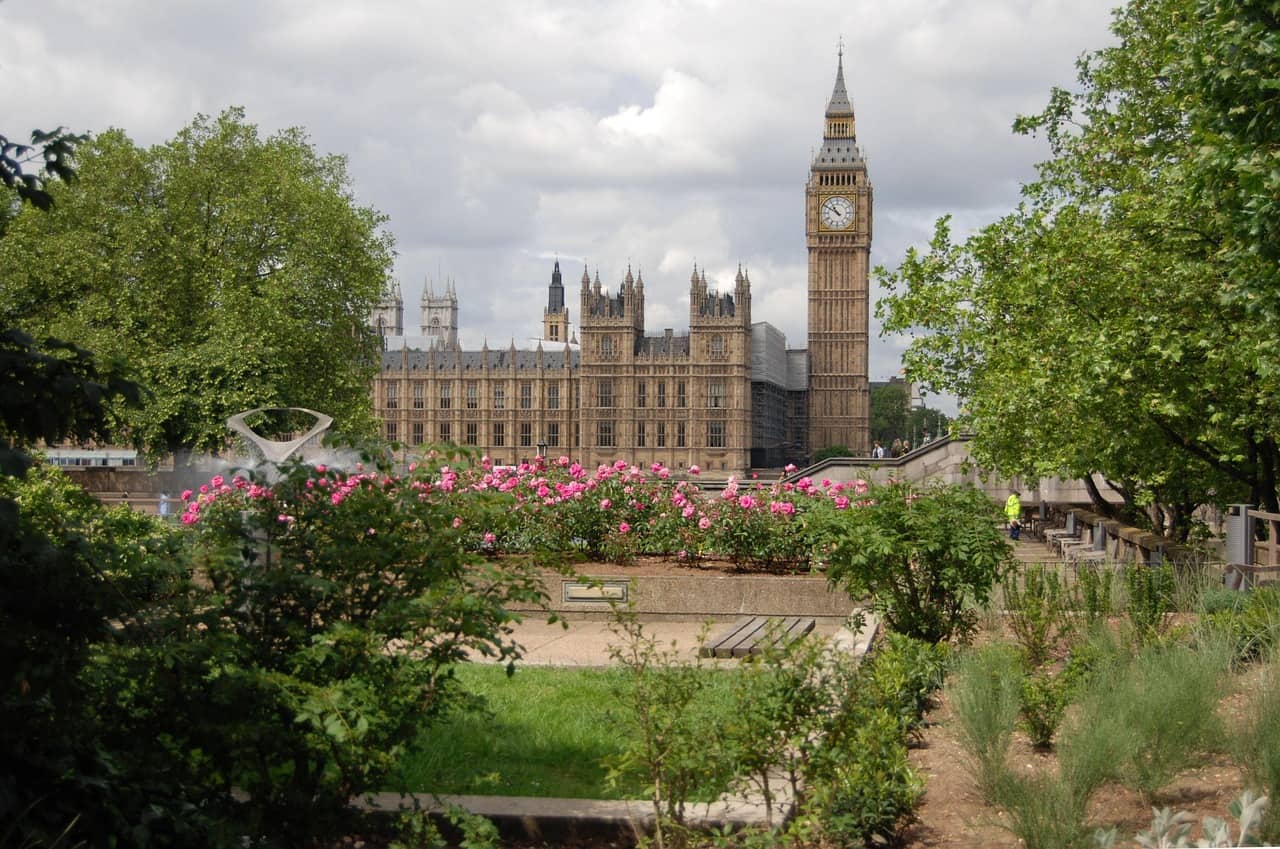
Westminster is one of central London's most densely populated and distinctively urban boroughs, where nearly half of all households rent privately and owner-occupation sits at just over a quarter. That housing profile translates directly into how dogs live here: the majority are in flats, mansion blocks and converted buildings in areas like Pimlico, Marylebone and Bayswater, without private gardens, and reliant on shared hallways, busy pavements and the borough's Royal Parks for their daily exercise and enrichment. Westminster's constant pedestrian traffic, proximity to major transport hubs and year-round flow of visitors and events means dogs encounter an unusually high level of environmental stimulation as a matter of routine, which makes the case for structured training particularly compelling. An owner in Westminster genuinely needs a dog that can settle calmly in a cafe, walk politely through a crowded pavement and respond reliably in a park that may simultaneously host a concert, a protest and a school trip.
Common behaviour challenges
The training requests that come up most consistently in Westminster reflect the demands of central London flat-based ownership. Lead manners are a universal priority, as the combination of narrow pavements, heavy foot traffic and unpredictable urban stimuli means that a dog that pulls or reacts on lead creates a genuinely difficult daily experience for its owner. Recall in high-distraction parks is closely related: Hyde Park, Regent's Park and St James's Park are among London's most visited open spaces, and maintaining reliable off-lead behaviour in those environments requires deliberate and sustained training work. Puppy socialisation in shared residential buildings is a specific challenge that comes up regularly, as does help with settling, barking at hallway noise and crate training for dogs in flats where neighbours are immediately adjacent. Separation anxiety is persistently raised by owners with long office hours or hybrid schedules, and under-stimulation in compact living spaces is a consistent theme for dogs whose physical and mental exercise opportunities are limited by their environment. The borough's year-round crowds and constant environmental change also mean that building genuine confidence around sudden movement, noise and unfamiliar people is a training priority that does not diminish between seasons.
Popular training locations
Hyde Park is the borough's most versatile outdoor training venue, with vast open lawns and broad walking routes that accommodate everything from beginner recall work to advanced distraction training around cyclists, joggers and other dogs. Its scale means trainers can find relatively quiet areas in the early morning before the park fills, while later in the day it provides a level of real-world distraction that is hard to replicate anywhere else in central London. Regent's Park offers a useful progression environment, with large open spaces and separate garden areas that allow sessions to move from lower-distraction recall work toward more demanding settings as a dog's skills develop. St James's Park brings a more ornamental and wildlife-rich atmosphere, with its lake, waterfowl and formal paths making it well-suited to focus work and calm heeling in a busier, more stimulating setting. Green Park's more open, less formal character makes it practical for short city sessions where the priority is keeping dogs calm and focused amid heavy foot traffic close to some of Westminster's busiest streets. Battersea Park across the river is commonly used by Westminster-based owners for longer off-lead practice sessions, offering a scale and variety of terrain that complements the more formal Royal Park environments.
Local requirements and standards
Westminster's Public Spaces Protection Order for dog fouling applies across the entire borough, with a £100 Fixed Penalty Notice for those who fail to clear up after their dog, rising to a maximum £1,000 fine if prosecuted. The borough's dog-control framework includes dog-free areas and lead requirements in specific parks and spaces, particularly where wildlife, formal planting and high footfall intersect. The Royal Parks within Westminster, including Hyde Park, St James's Park and Regent's Park, are managed by The Royal Parks charity under their own separate rules, and it is worth checking current park guidance before planning outdoor training sessions. When choosing a trainer, ABTC registration is the most important single credential to verify, confirming independently assessed professional standards and a commitment to humane, evidence-based practice. IMDT and APDT membership both signal assessed, current methodology rather than self-certification. A clear commitment to force-free, reward-based methods is particularly important in a central London context where dogs need to learn to cope with noise, crowds and unpredictability rather than simply being suppressed into compliance. Canine first aid certification is worth confirming for any trainer working in the borough's busy park environments. Useful questions to ask include which professional body the trainer is registered with and whether that can be verified online, whether they use any aversive tools or punishment-based approaches, and how they approach training dogs that are reactive in busy city environments.
Neighbourhood insights
Pimlico and Victoria generate some of the most consistent training demand in the borough, combining dense apartment living, a large professional renting population and quick access to central parks and riverside walks. Puppy life-skills, calm city-walking and separation anxiety support are the dominant requests in these areas, and the practical need to manage a dog well in a shared building is a daily reality for most owners here. Marylebone and Bayswater have a slightly different profile, with higher-value properties, more long-term residents and an affluent owner demographic that tends to invest in one-to-one sessions for well-mannered companion dogs. Training needs here often centre on refinement and reliability in public rather than foundational work. St John's Wood generates demand from owners who want dogs that can handle busy pavements, cafe settings and short urban walks without becoming reactive or noisy, and the proximity to Regent's Park makes recall and off-lead reliability a consistent focus. Home-visit training is particularly valued across Westminster, where working on the specific hallways, lifts and streets an owner uses every day produces results that park-based sessions alone cannot replicate.
Seasonal considerations
Summer brings Westminster's parks to their busiest and most stimulating, with Hyde Park and St James's Park hosting concerts, events and very large visitor numbers throughout the warmer months. Recall work becomes significantly harder at exactly the time of year when owners are spending the most time outdoors, and early morning sessions are the most productive option for focused training before the parks fill. The sheer scale of summer activity across the borough also makes it an exceptionally useful proofing environment for dogs that have built a solid foundation and are ready to practise in genuinely demanding real-world conditions. Winter brings shorter daylight hours and more post-work darkness that is particularly relevant for flat-dwelling owners who rely on short city walks after office hours. Westminster's year-round flow of visitors and events means the borough never fully quietens down even in the coldest months, and training that prepares dogs for crowds, sudden movement and high environmental stimulation remains valuable throughout the year. Demand for in-home behaviour support and separation anxiety work tends to increase through autumn and winter as commuter households return to full working schedules.
Areas covered
- Pimlico
- Victoria
- Marylebone
- Bayswater
- St John's Wood
- Westminster
- Belgravia